
Have you ever wondered if the black oil sunflower seeds you feed to birds can grow into beautiful sunflowers in your garden? If you’ve been curious about turning birdseed into blooming flowers, you’re in the right place.
Imagine watching vibrant sunflowers grow right from the seeds you scatter for birds—it’s a simple way to add life and color to your outdoor space. You’ll discover the secrets behind planting black oil sunflower bird seed and how to get the best results.
Keep reading to find out how easy it can be to bring nature’s beauty closer to you.

Credit: www.reddit.com
Black Oil Sunflower Seed Basics
Understanding the basics of black oil sunflower seeds is essential if you’re considering planting them. These seeds are more than just bird food; they have unique traits that can impact your garden or wildlife area. Knowing what makes these seeds special will help you decide if they’re right for your planting goals.
Seed Characteristics
Black oil sunflower seeds are small and thin with a black shell. They have a high oil content, which makes them rich in energy and highly attractive to birds. Unlike striped sunflower seeds, their shells are softer, making it easier for birds to crack them open.
The seed’s size and oil content also mean they can germinate well if planted correctly. However, their thin shells make them more vulnerable to pests and mold if not stored or planted under ideal conditions.
Common Uses
These seeds are widely used as bird feed because they attract a variety of birds like finches, chickadees, and cardinals. You might have seen them in feeders around parks and backyards during winter when natural food is scarce.
Besides feeding birds, some gardeners plant black oil sunflower seeds to grow sunflowers that provide shade and habitat for wildlife. They can also improve soil quality by adding organic matter when the plants decompose.
Have you ever wondered if planting the exact seeds you feed the birds could bring more wildlife into your garden? It’s a simple way to connect feeding habits with gardening and boost local biodiversity.
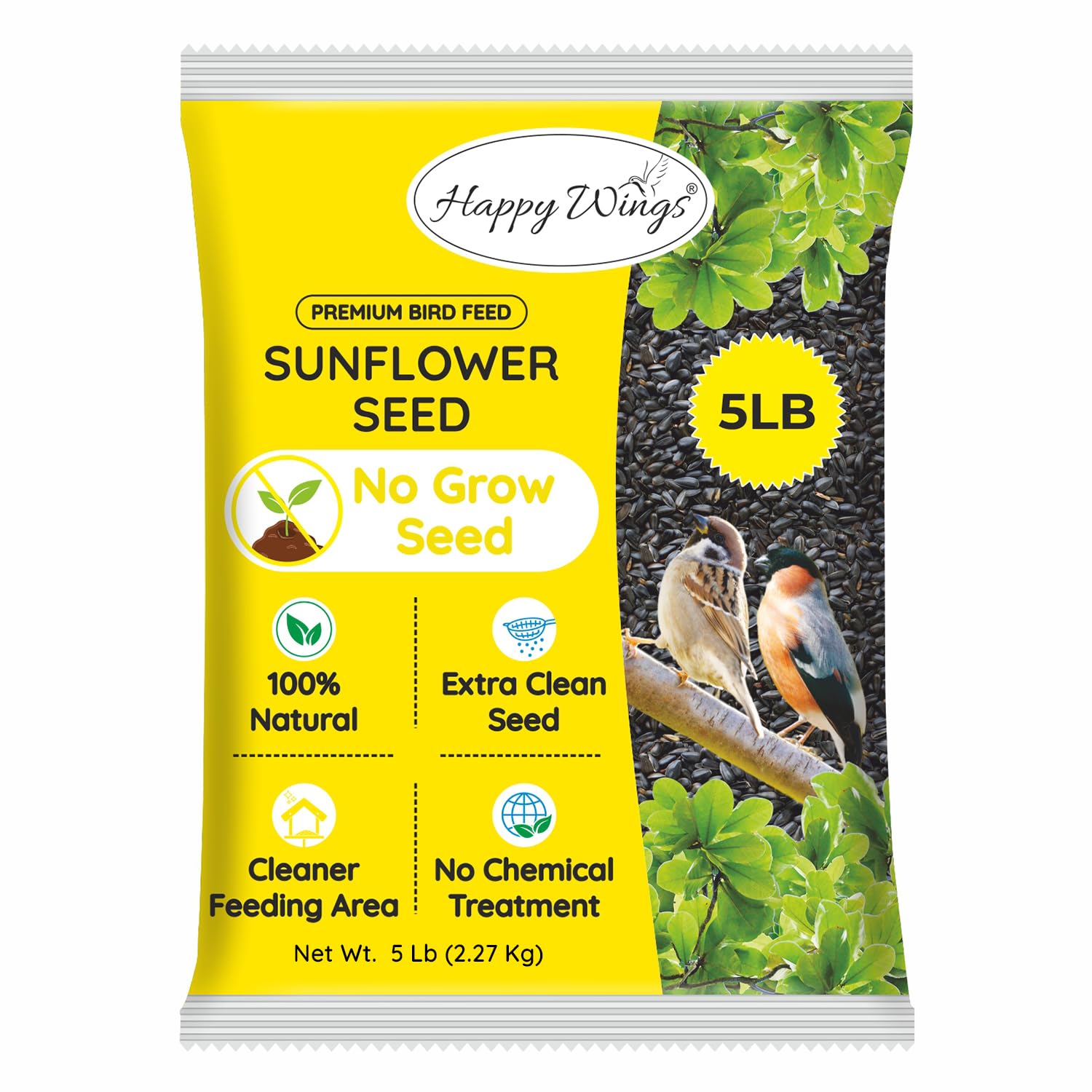
Credit: www.amazon.com
Planting Black Oil Sunflower Seeds
Planting black oil sunflower seeds can be a rewarding experience, whether you’re aiming to grow vibrant sunflowers or provide a natural food source for birds. These seeds are not only great for wildlife but also thrive well in home gardens with the right care. Understanding the essentials of planting can help you achieve lush growth and bountiful blooms.
Ideal Soil Conditions
Black oil sunflower seeds prefer well-drained soil that is rich in organic matter. You want soil that holds moisture but doesn’t stay soggy, as soggy soil can cause seeds to rot. A slightly acidic to neutral pH, between 6.0 and 7.5, works best.
If your soil feels heavy or clay-like, mix in compost or sand to improve drainage. Have you checked your soil’s texture recently? Taking a small soil sample to a local garden center can save you from planting in less-than-ideal conditions.
Best Planting Time
Sunflowers need warmth to germinate, so plant black oil seeds after the last frost date in your area. Soil temperatures should be at least 50°F (10°C) for best results. Typically, late spring to early summer works well for most regions.
Planting too early can lead to poor germination, while planting too late might shorten the growing season. Consider your local climate and keep an eye on weather forecasts to find the perfect window. Are you ready to time your planting for maximum success?
Seed Preparation Tips
Before planting, soak black oil sunflower seeds in water for 8 to 12 hours. This softens the seed coat and speeds up germination. Avoid soaking for more than 24 hours, as seeds can begin to rot.
Some gardeners lightly scratch the seed surface with sandpaper to help water penetrate faster, but soaking is usually enough. Plant the seeds about 1 inch deep and 6 inches apart to give each plant room to grow. Do you have a spot ready that meets these spacing needs?
Growing Conditions For Success
Understanding the right growing conditions is key to turning black oil sunflower bird seed into thriving plants. These seeds are hardy but need specific care to reach their full potential. Let’s break down what your garden needs to give these sunflowers a strong start and steady growth.
Sunlight Requirements
Black oil sunflower plants thrive best in full sunlight. Aim to provide at least 6 to 8 hours of direct sunlight each day. If your garden has shaded spots, try planting the seeds where the sun hits longest, such as south-facing areas.
Have you noticed how your sunflowers stretch or lean toward the light? That’s a clear sign they crave more sun. Don’t be afraid to experiment by moving pots or choosing different spots until you find the perfect sun-drenched location.
Watering Needs
These sunflowers prefer consistent moisture but don’t like soggy soil. Water the seeds gently after planting to keep the top inch of soil damp. Once seedlings appear, reduce watering slightly to avoid root rot.
During dry spells, increase watering frequency but always check the soil first. Does it feel dry a couple of inches below the surface? If yes, it’s time to water again. Overwatering is a common mistake that can stunt growth or invite disease.
Temperature Preferences
Black oil sunflowers grow well in warm temperatures between 70°F and 78°F (21°C to 26°C). Cooler temperatures can slow germination, while extreme heat might stress young plants.
If you live in a cooler region, starting seeds indoors can give them a head start. Have you tried using a seedling heat mat? It’s a simple tool that keeps soil warm and speeds up sprouting, especially early in the season.
Care And Maintenance
Proper care and maintenance help black oil sunflower plants thrive. Healthy plants grow strong and produce more seeds. Regular attention to soil, pests, and weeds improves growth. Follow simple steps for best results.
Fertilizing Guidelines
Use balanced fertilizer with equal nitrogen, phosphorus, and potassium. Apply fertilizer before planting for strong roots. Side-dress plants during growth to boost development. Avoid over-fertilizing to prevent weak stems and fewer seeds.
Pest And Disease Control
- Check plants regularly for aphids, caterpillars, and beetles.
- Use insecticidal soap or neem oil to control pests.
- Remove damaged leaves to stop disease spread.
- Ensure good air circulation to reduce fungal problems.
- Rotate crops yearly to prevent soil-borne diseases.
Weed Management
Keep the area around sunflowers free of weeds. Mulch helps block weed growth and retain moisture. Hand-pull weeds carefully to avoid disturbing roots. Use shallow cultivation to remove weeds without harm. Regular weeding supports healthy plant growth.
Harvesting And Uses
Harvesting black oil sunflower seeds is an important step to enjoy their full benefits. These seeds not only feed birds but also serve various practical uses. Knowing the right time and technique to harvest ensures high-quality seeds. Proper harvesting also helps maintain healthy plants for future growth.
When To Harvest
Harvest seeds when the back of the sunflower heads turn yellow or brown. The seeds should look plump and firm. The black oil sunflower seeds are ready when the outer shells are black with white stripes. Avoid harvesting too early to prevent immature seeds. Wait until most seeds are dry but not falling off the head.
Harvesting Techniques
Cut the sunflower heads with a sharp knife or pruners. Leave a few inches of stem attached for easier handling. Hang the heads upside down in a dry, well-ventilated area. Cover them with a paper bag to catch falling seeds. Once seeds loosen, gently rub the heads to release them. Use a screen or sieve to remove debris and chaff.
Uses For Harvested Seeds
- Feed wild birds by scattering seeds outside or filling feeders.
- Roast seeds for a healthy snack rich in vitamins and minerals.
- Use seeds in baking for bread, muffins, or granola bars.
- Save seeds for planting next season to grow more sunflowers.
- Press seeds to extract oil for cooking or skincare.

Credit: kaitsgarden.com
Common Challenges And Solutions
Planting black oil sunflower bird seeds can face challenges like poor soil quality and pests. Ensuring well-drained soil and using natural pest deterrents can help overcome these issues.
Planting black oil sunflower bird seed can be rewarding. Yet, it comes with challenges. Understanding these helps you succeed in your gardening journey. Let’s explore common issues and solutions.Seed Viability Issues
Seeds may not germinate. Check expiration dates on seed packets. Fresh seeds have higher germination rates. Store seeds in a cool, dry place. Moisture can damage seeds. Before planting, test a few seeds. Soak them in water for 24 hours. Viable seeds will swell or sprout. Discard those that remain unchanged. This ensures only healthy seeds are planted.Bird Damage Prevention
Birds love sunflower seeds. They may eat them before they sprout. Use netting to cover seeds. This protects them from hungry birds. Once plants grow, remove the netting. Alternatively, plant extra seeds. Some will survive despite bird activity. You could also place bird feeders nearby. This distracts birds from your seeds.Environmental Stress Factors
Sunflowers need full sun. Lack of sunlight weakens growth. Choose a sunny spot for planting. Soil quality matters too. Poor soil can hinder growth. Enrich soil with compost. This provides necessary nutrients. Water stress affects sunflowers as well. Ensure regular watering, especially during dry spells. Overwatering is harmful too. Ensure soil drains well to prevent root rot.Frequently Asked Questions
Can You Grow Sunflowers From Black Oil Bird Seed?
Yes, you can plant black oil sunflower bird seed. It often contains viable seeds that germinate well and grow into healthy sunflowers.
Is Black Oil Sunflower Seed Good For Gardening?
Black oil sunflower seeds are excellent for gardening. They grow fast, attract pollinators, and produce vibrant flowers.
How To Plant Black Oil Sunflower Seeds Properly?
Plant seeds 1 inch deep in well-drained soil. Space them 6-12 inches apart and water regularly for best growth.
Will Black Oil Sunflower Seeds Attract Birds After Planting?
Yes, growing sunflowers from black oil seeds attracts birds. Birds enjoy the seeds once the flowers mature and produce seed heads.
Conclusion
Planting black oil sunflower bird seed can be a fun and rewarding activity. The seeds grow well in many garden soils and attract birds. They sprout quickly with proper water and sunlight. Expect tall, strong plants that provide food and beauty.
This seed is easy to plant for beginners and experts alike. Enjoy watching birds visit your garden every day. Give it a try and see how your garden blooms. Simple steps can bring nature closer to your home.




