
Have you ever wondered if the sunflower seeds you buy for your bird feeder can grow into beautiful sunflowers in your garden? If you’re curious about turning those tiny snacks into vibrant plants, you’re in the right place.
Planting bird food sunflower seeds might seem simple, but there are some things you need to know to get the best results. By the end of this article, you’ll discover whether those seeds can bring life to your garden and how to make it happen easily.
Keep reading, and you’ll be ready to grow your own sunflowers from bird food seeds in no time!
Credit: dengarden.com
Choosing The Right Sunflower Seeds
Choosing the right sunflower seeds is crucial if you want a thriving garden rather than just feeding the birds. Not all sunflower seeds are created equal, and knowing the differences can save you time and effort. Are you ready to learn how to pick seeds that will actually grow into beautiful sunflowers?
Types Of Sunflower Seeds For Planting
Sunflower seeds come in several varieties, each suited for different purposes. You have:
- Oilseed varieties:These produce smaller seeds with high oil content, great for pressing sunflower oil.
- Confectionery varieties:These have larger seeds with striped shells, perfect for snacking and garden planting.
- Ornamental types:Grown mainly for their showy flowers rather than seed production.
Picking the right type depends on whether you want seeds for eating, oil, or simply growing tall sunflowers for your garden.
Differences Between Bird Food And Garden Seeds
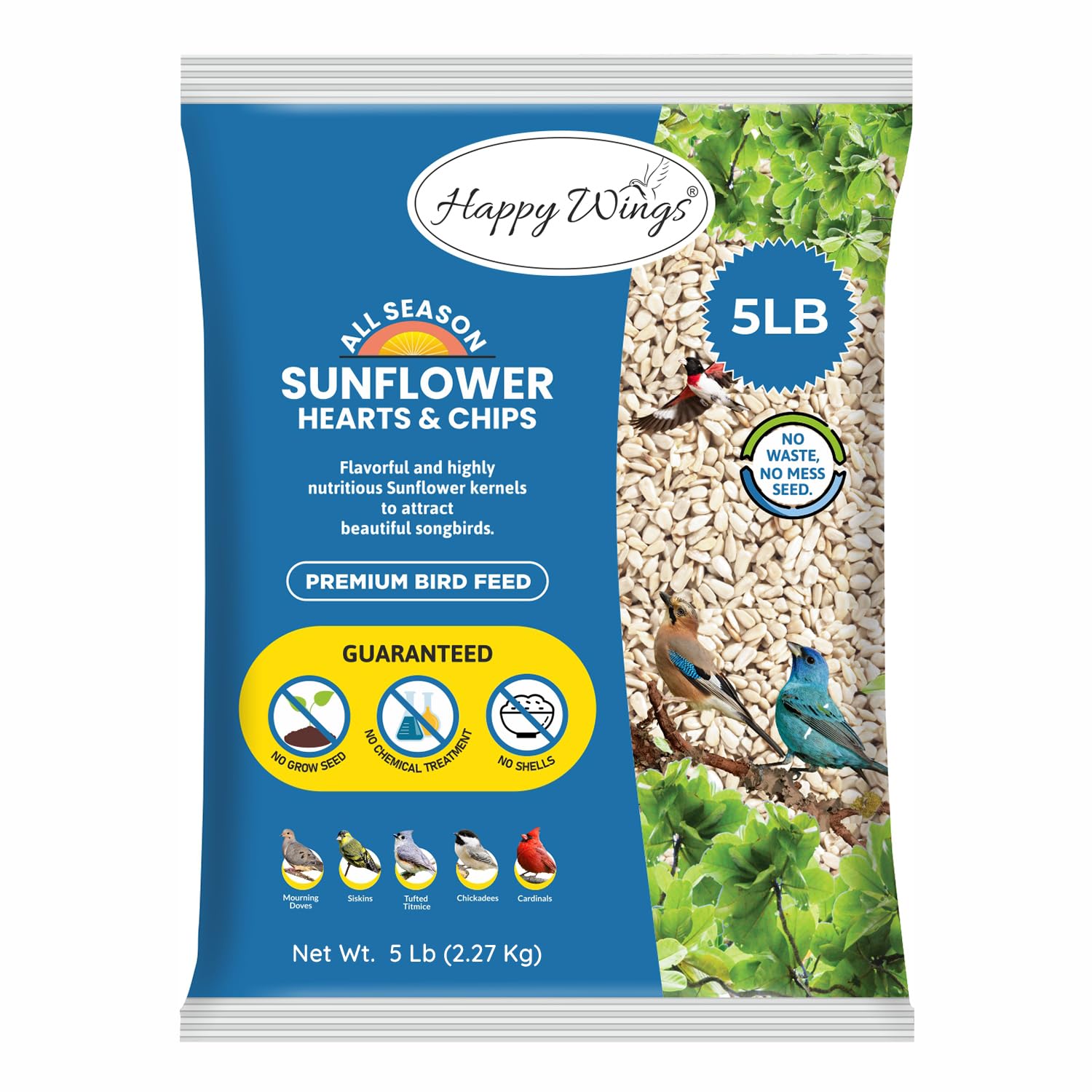
Bird food sunflower seeds are often black oil sunflower seeds, packed with high oil and thin shells, making them easy for birds to crack. However, these seeds may have lower germination rates because they are processed and sometimes treated with chemicals to prevent sprouting.
On the other hand, garden seeds are specifically selected and untreated to ensure better growth. They often come with information about planting depth, spacing, and expected bloom time, helping you plan your garden efficiently.
Have you ever tried planting bird food sunflower seeds only to see few sprouts? This happens because they are not optimized for growing. If your goal is a sunflower patch, consider investing in garden-specific seeds for a more rewarding experience.
Credit: www.amazon.ca
Preparing Your Garden Bed
Preparing your garden bed is a crucial step if you want to successfully grow sunflowers from bird food seeds. Getting the soil, timing, sunlight, and watering right can make a huge difference in how well your plants thrive. Let’s break down what you need to know to create the perfect environment for your sunflowers.
Soil Requirements
Sunflowers grow best in loose, well-draining soil. You want soil that isn’t too heavy or clay-like because it can hold too much water and cause the roots to rot. Adding some compost or organic matter can improve soil texture and provide nutrients.
Check the pH level of your soil—it should be slightly acidic to neutral, around 6.0 to 7.5. If your soil is too alkaline or acidic, you might see poor growth or yellowing leaves. Have you tested your garden soil recently? It’s easier than you think and can save you a lot of trouble.
Ideal Planting Time
Timing matters with sunflower seeds. You want to plant after the last frost date in your area because cold soil can delay germination or kill the seeds. Typically, late spring is a good window.
Sunflower seeds usually take 7 to 10 days to sprout, so plan accordingly if you want blooms by summer. Have you noticed how some plants seem to shoot up overnight? That’s the magic of planting at the right time.
Sunlight And Water Needs
Sunflowers need full sun—at least 6 to 8 hours a day. Without enough sunlight, your plants may grow tall and spindly but produce fewer flowers. Find the sunniest spot in your garden to plant your seeds.
Water your seeds regularly but avoid waterlogging. Keep the soil moist until the seedlings are about 6 inches tall, then you can reduce watering. Have you experienced how inconsistent watering can stunt a plant’s growth? Consistency is key for strong sunflowers.
Planting Bird Food Sunflower Seeds
Planting bird food sunflower seeds can be a rewarding experience, whether you want to grow sunflowers for your garden or produce fresh seeds for your feathered visitors. These seeds are readily available and often cheaper than regular planting seeds, but they need a bit of care to sprout well and grow strong. Understanding how to prepare and plant them properly can make a big difference in your gardening success.
Seed Treatment And Germination Tips
Bird food sunflower seeds usually come untreated, so soaking them overnight in warm water can boost germination. This softens the hard seed coat, making it easier for the seedling to emerge.
After soaking, you can also gently nick the seed coat with a nail file to speed up sprouting, but be careful not to damage the seed inside. Plant the seeds as soon as possible after treatment to maintain viability.
Keep the soil moist but not waterlogged, and ensure the seeds get plenty of sunlight. Have you noticed how some seeds sprout faster when placed in a warm spot? Try placing your pots or trays in a sunny window or under a grow light.
Spacing And Depth Guidelines
Plant sunflower seeds about 1 to 1.5 inches deep in the soil. This depth protects the seed while still allowing the sprout to break through easily.
Space the seeds at least 6 inches apart to give each plant enough room to grow tall and strong. If you want larger flowers or seeds, increasing spacing to 12 inches is even better.
When planting in rows, leave 2 to 3 feet between rows to ensure good air circulation and ease of care. Crowded plants can struggle with diseases and may not reach their full potential.
Caring For Sunflower Plants
Caring for sunflower plants from bird food seeds is straightforward but requires attention to detail. These plants thrive with the right balance of water, nutrients, and protection. Giving your sunflowers proper care helps them grow tall and produce vibrant blooms that attract birds and brighten your garden.
Watering And Fertilizing
Sunflowers need consistent moisture, especially during their early growth stages. Water the soil deeply once or twice a week rather than light, frequent watering to encourage strong root development.
Too much water can cause root rot, so check the soil’s moisture before watering again. A simple test is to poke your finger about an inch into the soil; if it feels dry, it’s time to water.
Fertilizing helps boost growth but don’t overdo it. Use a balanced, slow-release fertilizer or mix compost into the soil before planting. Feeding your plants every 3-4 weeks during the growing season keeps them healthy without overwhelming them.
Pest And Disease Management
Bird food sunflower seeds can attract pests like aphids, caterpillars, and beetles. Watch your plants regularly for signs of damage such as chewed leaves or sticky residue.
To control pests naturally, spray a mixture of water and mild soap on affected leaves. You can also invite beneficial insects like ladybugs to your garden—they love eating aphids.
Diseases like powdery mildew or rust can affect sunflowers if air circulation is poor. Space your plants well and avoid watering leaves to reduce these risks. If you spot any fungal spots, remove affected leaves promptly to stop spread.
Have you noticed how a little attention to watering and pest control can completely change your sunflower’s health? Your plants will reward your care with stunning flowers that keep birds coming back for more.
Harvesting And Using Sunflowers
Harvesting and using sunflowers from bird food seeds can be a rewarding experience. Once your plants mature, knowing the right time and way to harvest ensures you get the best seeds and flowers. Plus, homegrown sunflowers offer more than just beauty—they bring practical benefits to your garden and kitchen.
When And How To Harvest
Sunflowers are ready to harvest when their backs turn yellow or brown, and the petals have dried up and fallen off. Check the seeds—they should be plump and black or striped, depending on the variety.
To harvest, cut the flower heads with about 12 inches of stem attached. Hang them upside down in a dry, well-ventilated area to let the seeds fully dry. This process usually takes two to three weeks.
After drying, rub the seeds off by hand or gently shake the flower head. Store the seeds in a cool, dry place in an airtight container to keep them fresh.
Benefits Of Homegrown Sunflowers
Growing sunflowers from bird food seeds gives you a fresh, natural source of seeds for snacking or cooking. Homegrown seeds often taste better and have no added chemicals.
Sunflowers also attract pollinators like bees and butterflies, which can improve your garden’s overall health. Their tall stems create natural shade, helping to protect smaller plants from harsh sun.
Have you noticed how these bright flowers can lift your mood just by being in your garden? Plus, harvesting your own seeds saves money and reduces waste compared to store-bought options.
Common Challenges And Solutions
Planting bird food sunflower seeds can be tricky. Challenges include poor germination and pests. Solutions involve proper soil preparation and pest management to ensure healthy growth.
Planting sunflower seeds from bird food can be a rewarding and exciting endeavor. However, like any gardening project, it comes with its own set of challenges. Addressing these challenges effectively can make the difference between a lush sunflower garden and a patch of bare soil. Below are some common hurdles you might face and practical solutions to overcome them.Dealing With Poor Germination
Sunflower seeds from bird food may not always have a high germination rate. This could be due to several factors, such as the quality of the seeds or storage conditions. You might find that only a handful sprout, leaving you wondering if there’s something you can do differently. To improve germination rates, start by soaking seeds in water overnight. This helps to soften the seed coat, making it easier for the seedling to break through. Plant seeds in nutrient-rich soil and ensure they get plenty of sunlight and water.Protecting Seeds From Birds And Wildlife
Ironically, the seeds you plant to attract birds can become a buffet for wildlife before they even germinate. Squirrels, birds, and other critters see freshly planted seeds as an easy meal, which can be frustrating for gardeners. Consider using a thin layer of mulch or a floating row cover to protect your seeds. These barriers can deter animals while allowing sunlight and water to reach the seeds. Alternatively, try planting more seeds than you need, accepting that some may be lost to wildlife. By addressing these challenges head-on, you’re well on your way to growing a thriving sunflower garden from bird food seeds. Are you ready to give it a try?
Credit: www.amazon.com
Frequently Asked Questions
Can You Grow Sunflowers From Bird Food Seeds?
Yes, you can grow sunflowers from bird food seeds. These seeds are viable and will sprout under proper conditions. Ensure you plant them in well-drained soil and provide full sunlight for best growth.
Are Bird Food Sunflower Seeds Safe For Garden Planting?
Bird food sunflower seeds are generally safe for garden planting. However, avoid seeds treated with chemicals or coatings. Opt for untreated, natural seeds to ensure healthy plant growth and safe garden produce.
How Long Do Bird Food Sunflower Seeds Take To Sprout?
Bird food sunflower seeds typically sprout within 7 to 10 days. Keep the soil moist and warm for faster germination. Proper care ensures strong seedling development.
What Soil Is Best For Planting Bird Food Sunflower Seeds?
Well-drained, fertile soil with a neutral pH is best for planting bird food sunflower seeds. Sunflowers prefer soil rich in organic matter and full sun exposure for optimal growth.
Conclusion
Planting bird food sunflower seeds can be rewarding and simple. These seeds grow well in many gardens and attract birds. Choose a sunny spot with good soil for best results. Water the seeds regularly to help them sprout. Soon, you will see tall sunflowers and happy birds.
Growing your own sunflowers saves money and adds beauty. Give it a try and enjoy nature right outside your door.




