
Have you ever wondered if the sunflower seeds you buy to feed birds can also grow into beautiful sunflowers in your garden? It’s a question many gardeners and bird lovers ask.
You might be surprised to learn that not all bird feed sunflower seeds are the same when it comes to planting. Understanding which seeds can thrive in your soil and how to care for them can turn your outdoor space into a vibrant haven for both birds and flowers.
Keep reading to discover the truth about planting bird feed sunflower seeds and how you can make your garden bloom with ease.

Credit: www.amazon.com
Choosing The Right Seeds
Choosing the right bird feed sunflower seeds can make a huge difference in your gardening success. Not all seeds sold for bird feeding will grow well in your garden. It’s important to understand the types and qualities of seeds to pick the best ones for planting.
Types Of Bird Feed Sunflower Seeds
Bird feed sunflower seeds come in several types, but the two main ones are black oil sunflower seeds and striped sunflower seeds. Black oil seeds are smaller with thinner shells, making them easier to sprout and grow. Striped seeds have a thicker shell and are often used for feeding birds but can be harder to germinate.
If you want to plant sunflowers, black oil seeds are usually your best bet. They have a higher germination rate and grow into strong plants. Have you noticed if your bird feeder has mostly black or striped seeds? That can guide your choice.
Seed Quality And Viability
Seed quality plays a big role in whether your sunflower seeds will grow. Fresh seeds have a better chance of sprouting than old or stale ones. Check the packaging date or ask the seller about the seed’s harvest time.
Look for seeds that are clean and free from mold or damage. Seeds stored in damp or hot conditions often lose viability. You can test viability by soaking a few seeds in water overnight; those that sink are usually more viable than ones that float.
Have you ever planted bird feed seeds that didn’t grow? It might have been due to poor seed quality rather than bad luck. Selecting fresh, high-quality seeds can save you time and effort in the garden.
Preparing The Soil
Preparing the soil is a key step for planting bird feed sunflower seeds. Healthy soil helps seeds sprout strong roots. It also provides nutrients for tall, vibrant sunflowers. Good soil preparation improves water drainage and reduces weeds. Taking time now leads to better plant growth and more flowers.
Soil Requirements
Sunflowers grow best in loose, well-draining soil. They prefer soil with a neutral to slightly acidic pH, around 6.0 to 7.5. Rich soil with organic matter helps sunflowers get nutrients. Avoid heavy clay or very sandy soils. These can hold too much water or drain too fast. Mix compost or aged manure into the soil for extra nutrition. This creates a soft bed for seeds to grow strong roots.
Best Planting Locations
Choose a spot with full sun exposure. Sunflowers need at least 6 to 8 hours of sunlight daily. Avoid shady areas near trees or buildings. Check the ground for good drainage to prevent water logging. A flat or gently sloping area works well. Keep sunflowers away from windy spots to avoid stem damage. Space plants at least 12 inches apart for good air flow and growth.
Planting Techniques
Planting sunflower seeds from bird feed can be simple with the right techniques. Proper planting helps seeds grow strong and healthy. Paying attention to timing, depth, and spacing increases the chance of success. These steps create the best environment for sunflower seedlings.
When To Plant
Plant sunflower seeds after the last frost date in your area. The soil should be warm, at least 50°F (10°C). Cold soil slows germination and can cause seeds to rot. Spring is usually the best time to plant. Sunflowers need full sun to grow well, so choose a sunny spot.
Seed Depth And Spacing
Plant seeds about 1 to 2 inches (2.5 to 5 cm) deep. Too deep planting can stop seeds from sprouting. Keep space between seeds to allow room for growth. Space small sunflower varieties 6 to 12 inches (15 to 30 cm) apart. Larger types need 12 to 18 inches (30 to 45 cm) between seeds. Proper spacing helps plants get enough air and sunlight.

Credit: www.reddit.com
Caring For Sunflowers
Sunflowers are surprisingly easy to care for, but they do have specific needs to thrive. Paying attention to how you water, fertilize, and mulch your plants can make a big difference in their growth and bloom quality. Let’s dive into some practical tips that will help your sunflowers reach their full potential.
Watering Tips
Sunflowers need consistent moisture, especially during their early growth stages. Water your plants deeply but avoid soggy soil, which can lead to root rot. A good rule is to water once a week, increasing frequency if the weather is particularly hot or dry.
Check the soil about an inch below the surface. If it feels dry, it’s time to water. Overhead watering can encourage fungal diseases, so try watering at the base of the plant instead.
Fertilizing And Mulching
Sunflowers don’t require heavy feeding, but they do appreciate a boost to support their tall stems and large blooms. Use a balanced, slow-release fertilizer when planting and again when the plants reach about a foot tall.
Mulching around your sunflowers helps retain moisture and keeps weeds at bay. Apply a 2-3 inch layer of organic mulch, like straw or shredded leaves, but keep it a few inches away from the stem to prevent rot.
Have you noticed how small changes in care can lead to bigger, brighter flowers? With the right watering and feeding routine, your sunflowers will thank you by standing tall and vibrant all season long.
Dealing With Common Issues
Growing sunflowers from bird feed seeds can be rewarding, but it’s not without its hurdles. Dealing with common issues early on helps you protect your plants and ensures a flourishing garden. Understanding these challenges gives you the upper hand.
Pests And Diseases
Sunflowers attract a variety of pests like aphids, caterpillars, and beetles that can quickly damage leaves and stems. Watch for tiny insects clustering on the undersides of leaves or holes appearing in petals.
To control pests naturally, try spraying a mix of water and mild soap directly on affected areas. You can also introduce beneficial insects like ladybugs, which feed on harmful pests.
Diseases such as powdery mildew and rust can also affect your sunflowers. Keep your plants well-spaced to improve air circulation and avoid overhead watering to minimize fungal growth.
Preventing Bird Damage
Ironically, the birds that enjoy your sunflower seeds might become a problem once the plants start to bloom. Birds love nibbling on sunflower heads, which can leave you with less harvest than expected.
Protect your sunflowers by using bird netting or covering heads with lightweight mesh bags. Reflective objects like old CDs or aluminum foil strips can scare birds away without harming them.
Have you tried placing decoy birds in your garden? They sometimes deter real birds, but you’ll need to move them regularly to keep the effect.
Harvesting And Using Your Sunflowers
Planting bird feed sunflower seeds is possible and can lead to beautiful blooms. These seeds often sprout easily when given the right conditions. Enjoy the vibrant flowers they produce in your garden.
Planting bird feed sunflower seeds is a rewarding process. Watching sunflowers grow and bloom in your garden is a delightful experience. Once your sunflowers have matured, it’s time to harvest and use them. Knowing the right time and ways to use your homegrown seeds is essential.When To Harvest
Look for yellowing petals and brown backs of the flower heads. This indicates readiness for harvesting. The seeds should be plump and firm. Check a few seeds to confirm they are fully developed. Harvest on a dry, sunny day to prevent mold.Uses For Homegrown Seeds
Homegrown sunflower seeds offer many uses. Enjoy them as a healthy snack. Roast them for extra flavor. Use them as bird feed to attract birds to your garden. Crush the seeds to make sunflower oil. Plant some seeds for another crop. With these uses, your sunflowers provide ongoing benefits.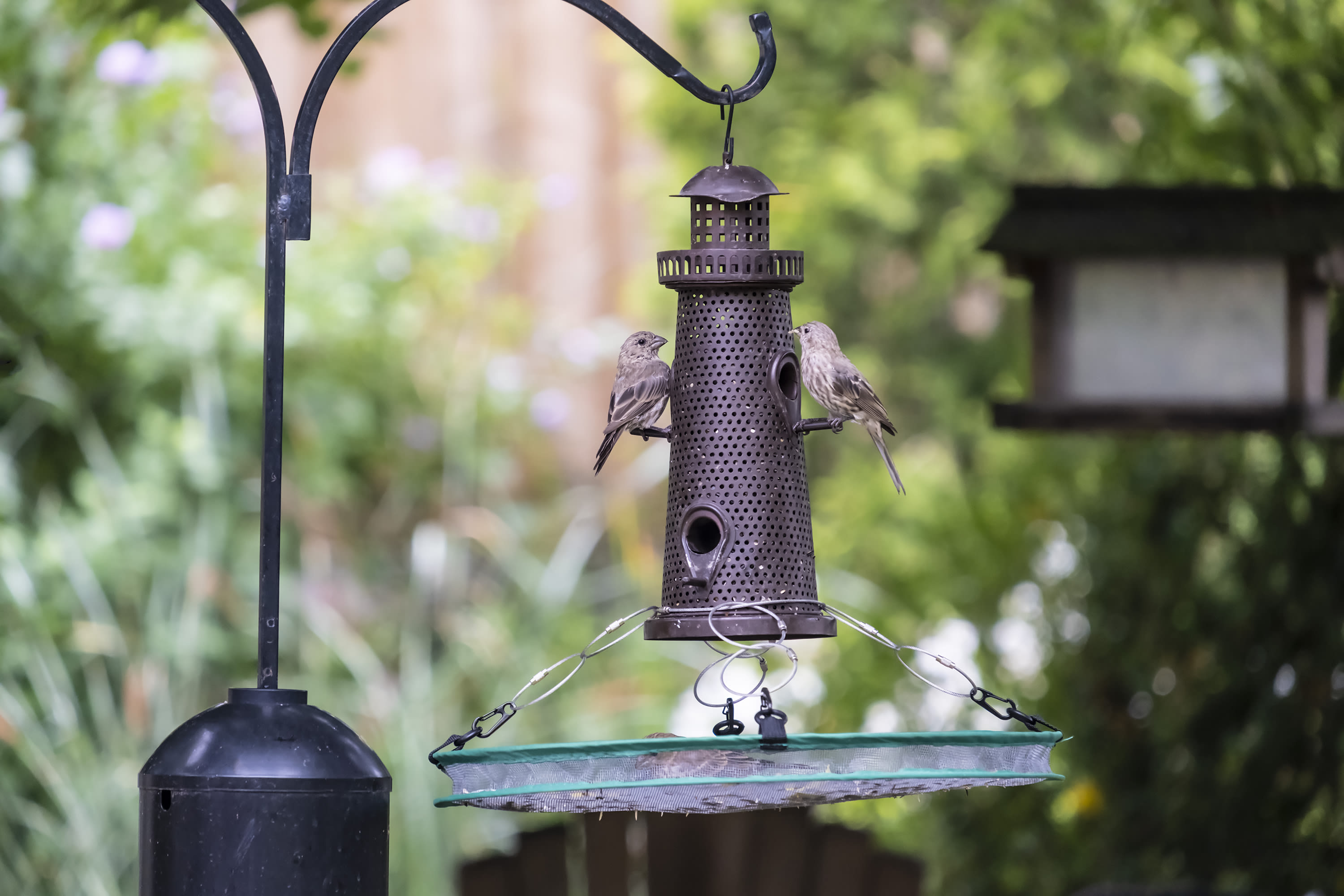
Credit: dengarden.com
Frequently Asked Questions
Can You Grow Sunflowers From Bird Feed Seeds?
Yes, you can plant bird feed sunflower seeds. They usually germinate well and grow into healthy sunflowers. Ensure the seeds are untreated and fresh for best results.
Are Bird Feed Sunflower Seeds Good For Planting?
Bird feed sunflower seeds are often viable for planting. However, some may be treated or processed, reducing germination rates. Choose raw, untreated seeds for successful growth.
How To Plant Bird Feed Sunflower Seeds Properly?
Plant bird feed sunflower seeds 1 inch deep in well-drained soil. Space them 6-12 inches apart. Water regularly and provide full sun for optimal growth.
Will Bird Feed Sunflower Seeds Grow Large Sunflowers?
Bird feed sunflower seeds can produce large sunflowers if they are from a suitable variety. Proper care and sunlight are essential for big, healthy blooms.
Conclusion
Planting bird feed sunflower seeds can be a fun gardening choice. These seeds grow well in many places and attract birds. Make sure to water them and give enough sunlight. Watch for pests and remove weeds around the plants. Growing sunflowers from bird feed seeds is easy and rewarding.
You get beautiful flowers and help local wildlife. Try planting them this season and enjoy the bright blooms. Gardening with bird feed seeds is simple and brings nature closer. Give it a go and see the results yourself.




