
Have you ever wondered if the sunflower seeds you feed to birds can grow into beautiful sunflowers in your garden? It’s a question many bird lovers and gardening enthusiasts ask.
Imagine turning those simple bird treats into vibrant flowers that brighten your outdoor space. You’ll discover whether you can plant sunflower seeds meant for birds and what to expect if you do. Keep reading to unlock the secret to growing your own sunflowers from the seeds you already have!

Credit: www.amazon.com
Sunflower Seeds And Birds
Sunflower seeds have a special place in the hearts of bird lovers. These seeds are more than just a snack for birds; they play a role in supporting local wildlife. Understanding the connection between sunflower seeds and birds can help you decide if planting these seeds is right for your garden.
Why Birds Love Sunflower Seeds
Birds are naturally drawn to sunflower seeds because of their high oil content. This makes the seeds a great source of energy, especially during colder months when food is scarce. Have you noticed how quickly birds flock to feeders filled with these seeds? It’s because they provide the fuel birds need to stay active and healthy.
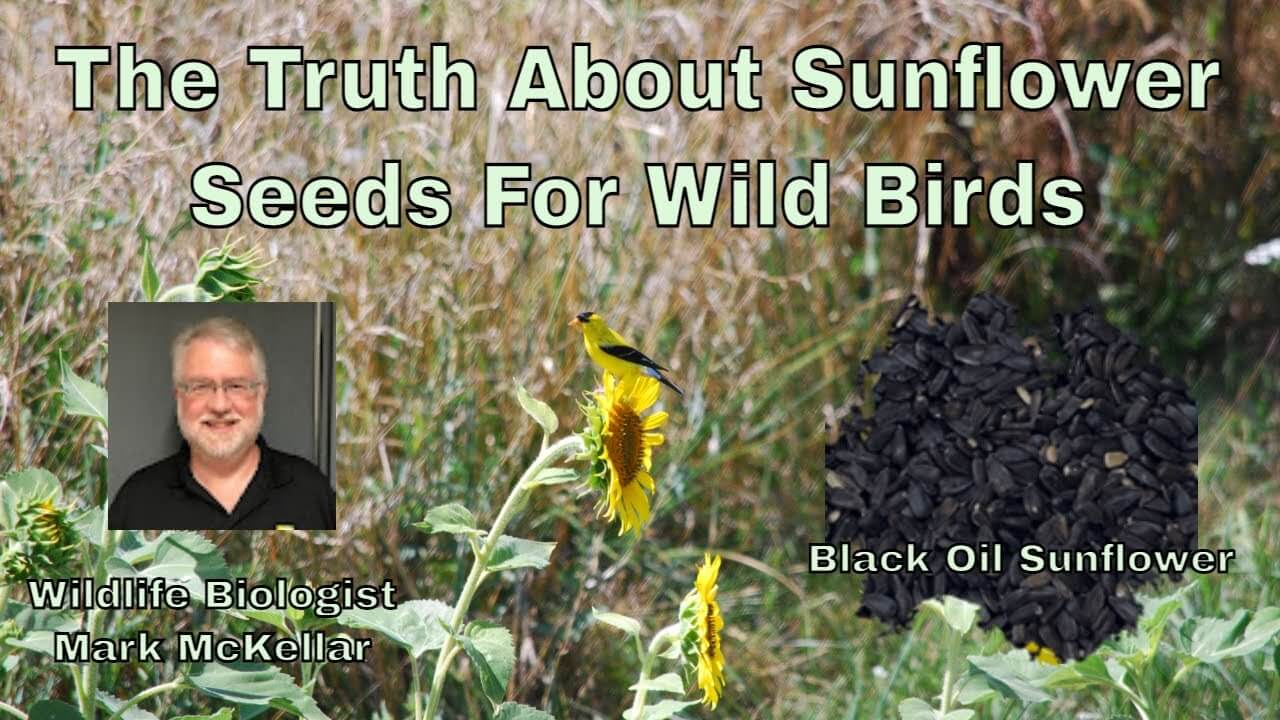
Different species prefer sunflower seeds for different reasons. For example, finches enjoy the smaller black oil sunflower seeds because they’re easier to handle. Meanwhile, larger birds like cardinals and blue jays go for the striped sunflower seeds because of their size and taste. Offering sunflower seeds can attract a variety of birds to your yard.
Types Of Sunflower Seeds For Birds
- Black Oil Sunflower Seeds:These have thin shells and high oil content, making them easy for small birds to crack open. They’re a favorite among chickadees, nuthatches, and finches.
- Striped Sunflower Seeds:Larger and with tougher shells, these seeds attract bigger birds such as cardinals and grosbeaks. They take longer to open but provide a satisfying meal.
- Sunflower Hearts:These are the inner part of the seed without the shell. They’re mess-free and perfect if you want to avoid shell debris in your yard.
Choosing the right type depends on the birds you want to attract and how much effort you want to put into cleaning up afterward. Which birds visit your garden most often? Tailoring the seed type to their preferences can make your feeding efforts more successful.
Planting Bird Sunflower Seeds
Planting bird sunflower seeds can be a rewarding experience that adds beauty to your garden and provides fresh food for your feathered friends. These seeds, often found in bird feeders, can also be grown into vibrant sunflowers if you choose the right seeds and conditions. Whether you’re a seasoned gardener or just starting, knowing how to plant these seeds properly can boost your success.
Selecting Seeds For Growing
Not all bird sunflower seeds are suitable for planting. Choose black oil sunflower seeds, as they tend to sprout more reliably and produce strong plants. Avoid seeds that are treated with chemicals or meant solely for feeding birds, as they might not germinate well.
Have you checked the seed packet for planting instructions? Some sellers label seeds specifically for growing, which can save you time and frustration.
Preparing Soil And Location
Sunflowers thrive in well-drained soil with plenty of sunlight. Pick a spot that gets at least six hours of direct sun daily. Loosen the soil and remove any weeds to give your seeds the best start.
Add some compost or organic matter to improve soil fertility and moisture retention. This small step can make a big difference in how tall and healthy your sunflowers grow.
Best Planting Time
Timing matters when planting bird sunflower seeds. Plant them after the last frost date in your area to avoid cold damage. The soil should be warm—about 50°F (10°C) or higher—for seeds to germinate well.
Have you noticed how some sunflowers bloom faster depending on the season? Planting at the right time ensures a steady growth cycle and vibrant blooms to enjoy later.
Growing Sunflowers From Bird Seeds
Growing sunflowers from bird seeds is a simple and fun way to add beauty to your garden. Many bird seed mixes contain sunflower seeds that can sprout and grow into tall, bright flowers. These seeds are often black oil sunflower seeds, which are ideal for planting.
Sunflowers are hardy plants. They grow well in many soil types and need only basic care. Starting them from bird seed can save money and bring nature closer to your home.
Germination Process
Start by choosing good quality bird seeds with intact shells. Soak the seeds in water overnight to soften the shell. Plant them about 1 inch deep in loose soil. Keep the soil moist but not soggy. Seeds usually sprout within 7 to 10 days. Provide plenty of sunlight for best results.
Watering And Care Tips
- Water the plants regularly to keep soil damp.
- Avoid overwatering, which can cause root rot.
- Place sunflowers in a sunny spot for at least 6 hours daily.
- Thin seedlings to avoid crowding and allow strong growth.
- Use mulch to retain moisture and control weeds.
Common Growth Challenges
Pests like aphids and birds can damage young plants. Use natural repellents or netting to protect them. Sunflowers may also suffer from fungal diseases if soil is too wet. Ensure good drainage and proper spacing between plants. Sometimes, seedlings fail to grow due to poor seed quality or deep planting. Use fresh seeds and plant at the correct depth for better success.

Credit: www.amazon.com
Harvesting And Using Your Sunflowers
Harvesting and using sunflowers is simple and rewarding. These bright plants not only brighten your garden but also provide seeds for birds. Knowing the right time to collect seeds ensures the best quality. Using these seeds in bird feeders attracts many feathered friends. Saving seeds for the next season helps your garden grow year after year.
When To Harvest Seeds
Harvest seeds after the flower heads dry out. Their back will turn brown and dry. Seeds will look plump and firm. Avoid harvesting when seeds are still green or soft. Cut the flower heads with a sharp tool. Hang them upside down in a dry, well-ventilated area. Wait for the seeds to fully dry before removing them.
Using Seeds For Bird Feeders
Sunflower seeds are a favorite for many birds. Use black oil sunflower seeds for best results. They are easy for birds to crack open. Fill your bird feeder with fresh seeds. Keep the feeder clean to avoid mold and disease. Place feeders where birds feel safe from predators. Enjoy watching different bird species visit your garden.
Saving Seeds For Next Season
Select healthy, fully dried seeds to save. Store seeds in a cool, dry place. Use airtight containers to protect them from moisture. Label containers with the date and sunflower type. Test seed viability by soaking a few seeds in water. Plant saved seeds in the spring for new sunflowers. This saves money and helps maintain plant variety.
Benefits Of Growing Your Own Sunflowers
Growing your own sunflowers offers many benefits beyond just having fresh seeds. These bright flowers bring life and color to any garden. They also serve a purpose for local animals and the environment. Planting sunflowers is simple and rewarding.
Supporting Local Wildlife
Sunflowers attract many birds and pollinators like bees and butterflies. Birds eat the seeds, which helps them survive through winter. Bees gather nectar and pollen, aiding flower pollination. This creates a healthy habitat for wildlife around your home.
Enhancing Garden Beauty
Sunflowers add vibrant yellows and oranges to your garden. Their tall stems create a natural focal point in any space. Flowers bloom in summer and attract attention with their large heads. Growing them improves the overall look and feel of your yard.
Eco-friendly Gardening
Planting sunflowers reduces the need to buy packaged seeds. Growing plants naturally cuts down on plastic waste and transport emissions. Sunflowers also improve soil health by adding nutrients. This makes your garden greener and more sustainable.
Credit: jungleaquatics.com
Frequently Asked Questions
Can Sunflower Seeds For Birds Grow Into Plants?
Yes, sunflower seeds sold for birds can often grow into plants. These seeds are usually raw and viable. However, some bird seed mixes are roasted or treated, which prevents germination. Always check the seed type before planting to ensure successful growth.
How To Plant Sunflower Seeds From Bird Feed?
Plant sunflower seeds from bird feed in well-drained soil. Sow seeds about 1 inch deep and 6 inches apart. Water regularly and provide full sunlight. Germination usually takes 7-10 days. Make sure seeds are untreated to ensure healthy plant growth.
Are Bird Sunflower Seeds Different From Garden Seeds?
Bird sunflower seeds are often black oil seeds, smaller and thinner than garden varieties. Garden seeds may be larger and bred for better yield. Both types can grow, but garden seeds often produce stronger, bigger sunflowers. Choose based on your planting goals.
Do Sunflower Seeds For Birds Need Special Care?
Sunflower seeds for birds need similar care to regular sunflower seeds. Ensure they get plenty of sunlight and consistent watering. Protect young plants from pests and birds. Proper soil drainage and spacing help plants thrive and produce beautiful flowers.
Conclusion
Sunflower seeds meant for birds can grow into healthy plants. Planting them is simple and fun for all ages. Birds enjoy these seeds, but gardeners also benefit from the flowers. Choose fresh seeds without coatings for best results. Water the soil gently and watch seedlings appear in days.
Growing sunflowers adds beauty and supports local wildlife. Try planting bird sunflower seeds to brighten your garden today.




