
Have you ever wondered if you can grow beautiful sunflowers from the bird seed you already have at home? It sounds simple, but not all bird seeds are created equal when it comes to planting.
Imagine turning your bird feeder stash into a stunning garden full of bright, sunny blooms. You’ll discover the truth about planting sunflower seeds from bird seed, what to expect, and how to get the best results. Keep reading—your next sunflower garden might be just a few seeds away!
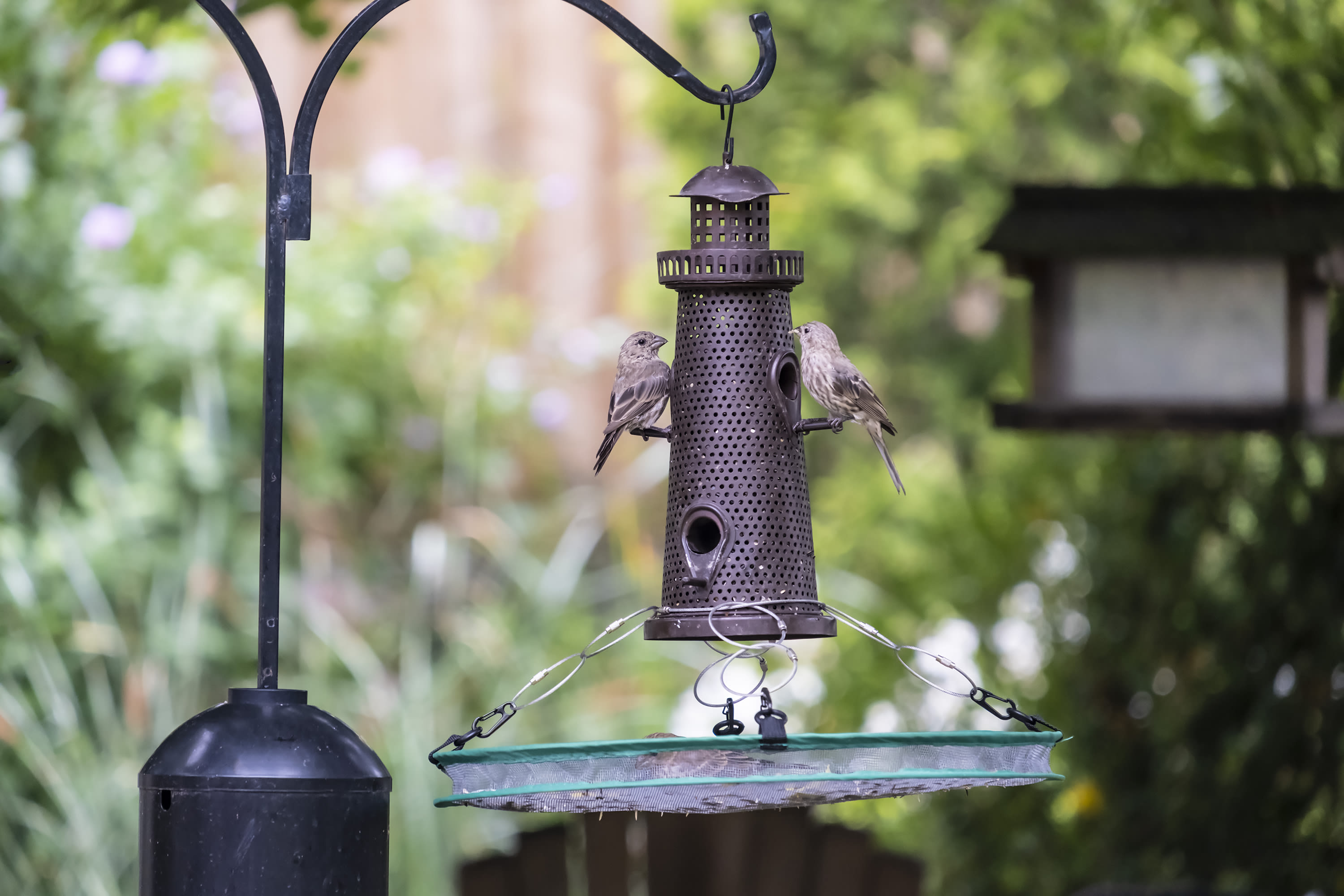
Credit: dengarden.com
Types Of Sunflower Seeds In Bird Seed Mixes
Bird seed mixes often contain sunflower seeds that attract various birds. These seeds come in different types and sizes. Understanding the types helps gardeners decide if they can grow sunflowers from them. Not all sunflower seeds in bird mixes are suitable for planting. Some are processed, making them unable to sprout. Knowing the varieties and how to identify good seeds improves planting success.
Common Varieties Found In Bird Seed
Black oil sunflower seeds are the most common in bird seed mixes. They have thin shells and high oil content. These seeds are favored by many wild birds. Another variety is the striped sunflower seed, which has a harder shell. It is less common in bird mixes but still appears sometimes. Both types can grow into sunflowers, but black oil seeds sprout more easily.
Identifying Viable Seeds
Viable seeds look full and firm. Avoid seeds that are cracked, shriveled, or very light. These signs mean the seed might not grow. You can test seeds by placing them in water. Seeds that sink often have a better chance to sprout. Seeds that float are usually empty or damaged. Planting viable seeds increases the chance of healthy sunflower growth.
Germination Potential Of Bird Seed Sunflower Seeds
Planting sunflower seeds from bird seed mixes might seem like an easy way to grow sunflowers, but the real question is how well these seeds will sprout. Bird seed sunflower seeds often vary in quality and viability due to their intended use as feed, not for planting. Understanding the germination potential of these seeds helps you decide if they’re worth the effort in your garden.
Factors Affecting Seed Viability
Sunflower seeds sold as bird seed are usually harvested and stored differently than seeds meant for planting. They may be older, damaged, or treated with chemicals to prevent sprouting. These conditions can significantly lower the chance that your seeds will germinate.
Environmental factors during storage, such as moisture and temperature, also play a big role. Seeds kept in damp or overly warm places often lose their ability to sprout. Plus, some bird seed mixes include seeds from sunflower varieties that are less suited for garden growth.
Testing Seed Germination Rates
You don’t have to guess how many seeds will grow. A simple germination test can give you a clear idea before planting. Take about 10 seeds and place them between damp paper towels, then keep them warm and check daily for sprouts over a week.
Count how many seeds sprout and calculate the percentage. If less than half of your seeds germinate, you might want to invest in seeds specifically sold for planting. This quick test saves you time and frustration later.
Have you ever tried growing plants from bird seed? What was your experience with germination? Testing your seeds first can turn your doubts into confidence or help you plan better.
Preparing Bird Seed For Planting
Preparing bird seed for planting is a key step to grow healthy sunflowers. Bird seed often contains a mix of seeds, shells, and debris. Cleaning and treating the seeds helps improve germination rates. This process also removes unwanted materials that can harm seedlings. Proper preparation boosts your chances for a successful sunflower garden.
Cleaning And Selecting Seeds
Start by spreading the bird seed on a clean surface. Remove any small stones, shells, or broken seeds. Look for plump, whole seeds without cracks or damage. These seeds are more likely to sprout. Use a fine sieve or strainer to separate smaller debris. Select seeds that are dark and firm, which usually means they are viable.
Soaking And Pre-treatment Techniques
Soaking sunflower seeds softens their hard outer shell. Place cleaned seeds in a bowl of warm water. Let them soak for 8 to 12 hours, but not longer. This process helps seeds absorb moisture and start germination. Drain the water and rinse seeds gently. Some gardeners use a light scarification by rubbing seeds with sandpaper. This step helps water penetrate the shell easier. Avoid harsh chemicals or heat treatments as they can damage seeds.
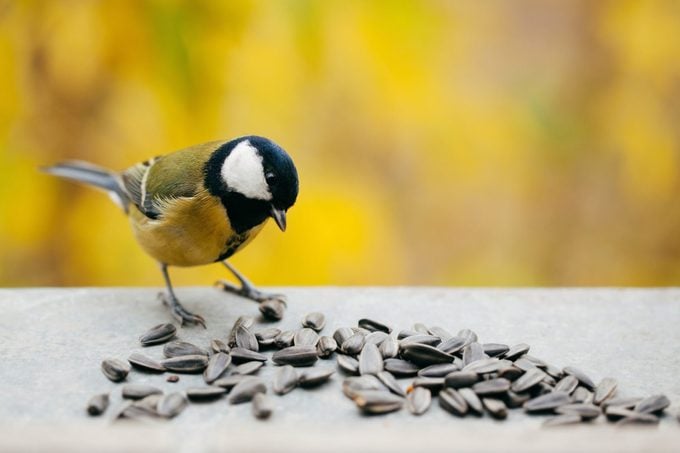
Credit: www.familyhandyman.com
Planting Tips For Successful Growth
Growing sunflowers from bird seed can be rewarding, but success depends on how well you prepare your planting spot. Paying attention to soil and sunlight, along with correct planting depth and spacing, makes a big difference. These tips will help you avoid common pitfalls and enjoy strong, healthy sunflowers.
Ideal Soil And Sunlight Conditions
Sunflowers thrive in soil that drains well but still holds some moisture. If your soil is heavy clay or sandy, mix in compost or organic matter to improve texture. Have you checked your soil’s pH? A slightly acidic to neutral range (6.0 to 7.5) is best.
Sunflowers need full sun—at least 6 to 8 hours daily. Too little light means spindly stems and fewer blooms. If your garden spot gets shade part of the day, consider moving your planting area or trimming overhanging branches.
Planting Depth And Spacing
Plant bird seed sunflower seeds about 1 to 2 inches deep. This depth protects seeds from birds and helps retain moisture. Planting too shallow can dry out seeds quickly, while too deep may prevent sprouting.
Space seeds about 6 to 12 inches apart, depending on the sunflower variety. Crowding leads to competition for water and nutrients, resulting in weaker plants. Are you growing giant sunflowers? Give them more room—around 12 inches—to stretch their roots and grow tall.
Common Challenges And Solutions
Planting sunflower seeds from bird seed bags can be rewarding but comes with a few hurdles. Recognizing common challenges helps you take action early and improve your chances of a thriving sunflower patch. Let’s look at some issues you might face and how to solve them effectively.
Dealing With Non-viable Seeds
Not all seeds in bird seed mixes will sprout. Many are treated or old, reducing their ability to grow. You might plant dozens and see just a handful emerge.
Test seed viability by soaking a small batch in water overnight. Seeds that sink are more likely to sprout, while floating ones often won’t. This simple step saves you time and frustration.
If you notice poor germination, consider supplementing with fresh, untreated sunflower seeds from a garden center. Mixing fresh seeds with bird seed can boost your overall success.
Pest And Disease Management
Sunflowers attract pests like aphids, caterpillars, and birds that can damage young plants. You might find your seedlings disappearing overnight or leaves looking chewed.
- Use natural repellents such as neem oil or insecticidal soap to keep pests at bay without harming your plants.
- Encourage beneficial insects like ladybugs that prey on harmful bugs.
- Cover young plants with light netting to protect from birds and larger pests.
Diseases like powdery mildew can also affect sunflowers, especially in humid conditions. Ensure good air circulation by spacing plants properly. Water at the base early in the day to prevent moisture from lingering on leaves.
Have you noticed certain pests always appear in your garden? Trying these targeted tactics could change your sunflower-growing experience entirely.
Benefits Of Growing Sunflowers From Bird Seed
Planting sunflower seeds from bird seed offers unexpected beauty and food for local wildlife. These vibrant blooms enhance gardens and support pollinators. Plus, it’s a cost-effective gardening choice.
Planting sunflower seeds from bird seed might seem unconventional, but it offers several benefits that make this gardening endeavor worthwhile. By giving those seeds a chance in your garden, you could unlock a delightful experience that combines cost savings with environmental care. Let’s dive into why this approach is beneficial and how it can positively impact your garden and surroundings.Cost-effectiveness
Growing sunflowers from bird seed is surprisingly budget-friendly. Bird seed mixes are often cheaper than packaged sunflower seeds meant for gardening. When you use these seeds, you can cultivate a vibrant sunflower patch without breaking the bank. Another financial perk is the reduced need for frequent purchases. Once your sunflowers grow, they produce seeds that can be replanted, creating a cycle of growth that continues year after year. Imagine the joy of seeing your garden flourish with minimal investment!Environmental Impact
Planting sunflowers from bird seed contributes positively to the environment. By choosing to grow instead of dispose, you reduce waste and promote sustainability. This small action can have a significant ripple effect. Sunflowers are known for their ability to attract pollinators like bees and butterflies. By growing them, you help support these crucial creatures, enhancing biodiversity in your area. Plus, sunflowers can improve soil health by adding nutrients and reducing erosion. Have you ever considered how your gardening choices affect the planet? By using bird seed to grow sunflowers, you’re taking a step towards a greener, healthier environment.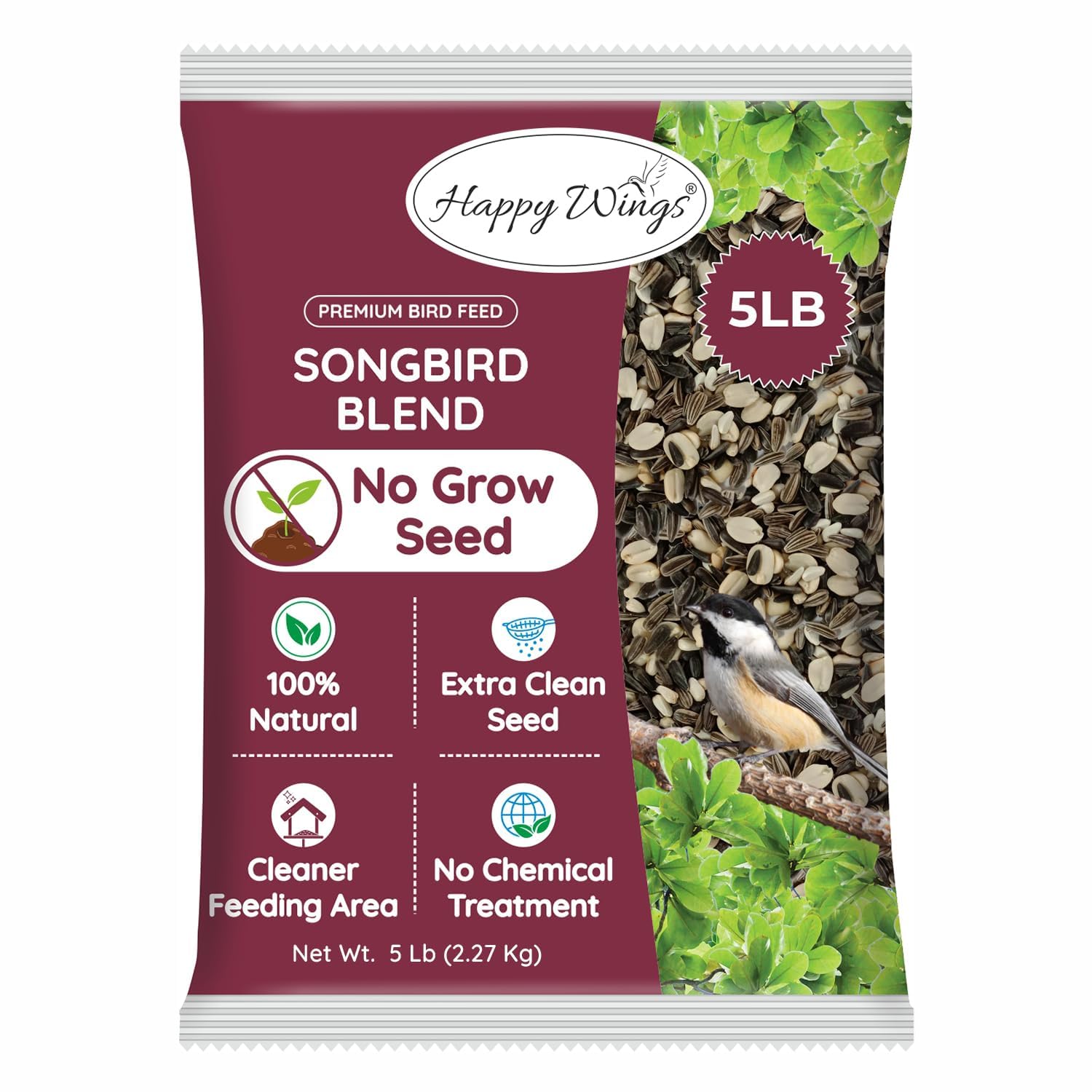
Credit: www.amazon.ca
Frequently Asked Questions
Can I Grow Sunflowers From Bird Seed Mix?
Yes, you can plant sunflower seeds from bird seed mixes. However, ensure the mix contains raw, untreated sunflower seeds. Shelled or roasted seeds won’t sprout. Choose black oil sunflower seeds for the best growth results in your garden or pots.
Are Sunflower Seeds In Bird Seed Viable For Planting?
Sunflower seeds in bird seed are often viable if raw and unprocessed. Avoid seeds that are roasted or salted, as they won’t germinate. Check the seed type and quality before planting to ensure successful sunflower growth.
What Sunflower Seed Types Are Best For Planting?
Black oil sunflower seeds are the best for planting. They germinate easily and produce strong plants. Avoid striped or hulled seeds from bird mixes as they often are processed and less likely to grow.
How To Prepare Bird Seed Sunflower Seeds For Planting?
Sort through the bird seed to remove non-sunflower seeds and debris. Use only raw, black oil sunflower seeds. Soak seeds overnight to improve germination rates before planting in well-draining soil.
Conclusion
Planting sunflower seeds from bird seed can work, but results vary. Some seeds may grow well, while others might not sprout. Choose bird seed mixes with whole sunflower seeds for better chances. Keep soil moist and provide enough sunlight for growth.
Watch for weeds and pests to protect your plants. Growing sunflowers this way can be fun and easy. Give it a try and enjoy bright, cheerful flowers in your garden. Patience and care will help your sunflowers thrive.




