
Have you ever wondered if you can plant black oil sunflower bird seed to grow your own beautiful sunflowers? If you love watching birds or want to add vibrant colors to your garden, this question might be on your mind.
You might be surprised to learn that the seeds meant for bird feeders can also be a great choice for growing sunflowers yourself. But is it really that simple? Keep reading to discover how you can turn those bird seeds into a stunning sunflower patch, what to expect, and the best tips to make your planting successful.
Your garden could be the next favorite spot for both you and the birds!

Credit: www.amazon.com
Black Oil Sunflower Seeds Basics
Black oil sunflower seeds are popular for feeding birds and growing in gardens. They have unique traits that make them ideal for many uses. These seeds attract a wide range of birds and offer benefits beyond bird feeding. Understanding their basics helps in making the best use of them.
Seed Characteristics
- Small size with a thin, black shell
- High oil content, making them rich in energy
- Easy for birds to crack open and eat
- Faster germination compared to other sunflower seeds
- Adapt well to different soil types and climates
Benefits For Birds And Garden
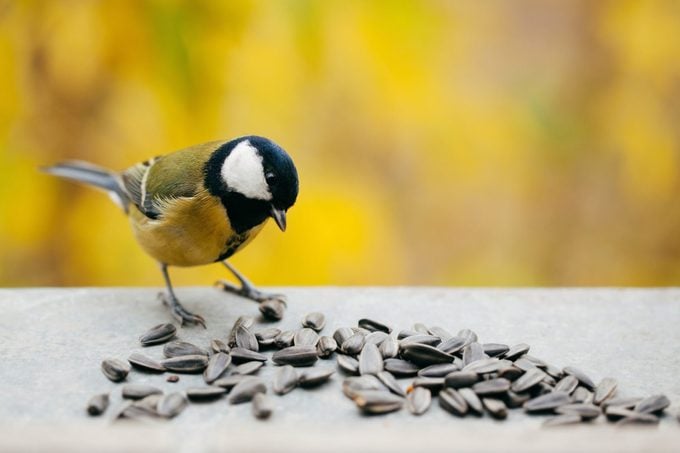
- Attracts many bird species like finches and chickadees
- Provides essential nutrients and energy for birds
- Encourages natural pest control by attracting insect-eating birds
- Produces beautiful sunflowers that add color to gardens
- Sunflowers improve soil health by adding organic matter
- Seeds can be harvested for future planting or bird feeding
Credit: www.familyhandyman.com
Planting Requirements
Getting your black oil sunflower bird seeds to grow well starts with understanding their planting requirements. These seeds need the right conditions to thrive and produce healthy plants that attract birds. Let’s look closely at what you need to prepare and the best timing for planting.
Soil Preparation
Black oil sunflowers prefer well-drained soil with a loose texture. Before planting, clear the area of weeds and debris to reduce competition for nutrients. You can improve soil fertility by adding organic compost, which helps retain moisture and supports root growth.
Test your soil’s pH level if possible; these sunflowers grow best in soil with a pH between 6.0 and 7.5. Avoid overly sandy or clay-heavy soils unless you amend them to improve drainage and aeration. Have you checked your garden soil lately? Small adjustments can make a big difference.
Ideal Climate And Timing
Black oil sunflowers do best in full sun and warm weather. Plant your seeds after the last frost when the soil temperature is at least 50°F (10°C). This usually means late spring in most temperate regions.
The seeds need about 70 to 90 days to mature, so plan your planting to avoid early frosts in fall. If you live in a warmer climate, you can plant multiple times during the growing season. Do you know your local frost dates? Timing can influence how vibrant and tall your sunflowers grow.
Step-by-step Planting Process
Planting black oil sunflower bird seed is a rewarding way to grow vibrant sunflowers that attract birds and brighten your garden. The process is straightforward but requires attention to detail to ensure healthy, thriving plants. Let’s walk through the essential steps to get your sunflower seeds from soil to bloom.
Seed Sowing Techniques
Choose a sunny spot in your garden with well-draining soil. Black oil sunflower seeds prefer loose, fertile ground that allows their roots to spread easily.
Scatter seeds directly into the soil or plant them about 1 inch deep for better protection. Space each seed at least 6 inches apart to give your sunflowers room to grow strong and tall.
Press the soil gently over the seeds to ensure good contact but avoid compacting it too much. This helps retain moisture and supports seed germination.
Watering And Care Tips
Keep the soil consistently moist but not soggy during the germination phase. Water lightly every day or every other day until seedlings emerge, usually within 7 to 10 days.
Once your sunflowers are established, reduce watering frequency but increase the amount to encourage deep root growth. Aim to water at the base rather than from above to prevent fungal issues.
Watch out for pests like aphids or birds that might nibble on your young plants. You can protect your seedlings with netting or natural repellents if needed.
Have you noticed how sunflowers seem to follow the sun? Giving your plants a spot where they get full sunlight daily makes a surprising difference in their growth and bloom size.
Growth And Maintenance
Growing black oil sunflower from bird seed is a rewarding experience, but it requires some attention to keep your plants healthy and productive. Understanding the basics of growth and maintenance will help you enjoy a flourishing sunflower patch. Let’s dive into what you need to do to keep your sunflowers thriving.
Fertilizing And Weed Control
Sunflowers need nutrients to grow strong and tall. Adding a balanced fertilizer, such as one with equal parts nitrogen, phosphorus, and potassium, supports healthy growth. Apply fertilizer when the plants are about one foot tall to give them a boost.
Weeds compete with your sunflowers for nutrients and water. Keep the area around your plants free of weeds by regularly pulling them out by hand or using a hoe. Mulching around the base of the plants can also help suppress weeds and retain moisture.
Pest And Disease Management
Sunflowers can attract pests like aphids and caterpillars that may damage leaves and stems. Check your plants often and remove pests by hand or spray with insecticidal soap if the problem grows. Encouraging beneficial insects like ladybugs can naturally reduce pest populations.
Diseases such as powdery mildew or rust can affect your sunflowers, especially if air circulation is poor. Space your plants properly to allow airflow and avoid overhead watering to reduce moisture on leaves. If you notice signs of disease, remove affected leaves promptly to prevent spread.
Harvesting And Seed Saving
Harvesting black oil sunflower seeds is a key step for successful planting and saving seeds for future use. Knowing the right time to harvest and how to store seeds properly helps keep them healthy and viable. This section guides you through these important steps.
When To Harvest
Harvest sunflowers when the back of the flower head turns yellow or brown. The seeds should be fully black with white stripes. The flower petals will have dropped. Check the seeds by rubbing them; they should feel firm and dry. Avoid harvesting too early to prevent immature seeds. Wait until most seeds look plump and dry.
How To Store Seeds
Dry seeds thoroughly before storage to avoid mold. Spread seeds in a single layer on a paper towel for a few days. Use airtight containers such as glass jars or plastic bags for storage. Keep containers in a cool, dark, and dry place. Label containers with the date of harvest. Proper storage keeps seeds viable for planting next season.
Common Challenges
Planting black oil sunflower seeds can face challenges like poor soil drainage and pest damage. Birds may eat seeds before they sprout, making growth difficult. Choosing the right location and protecting seeds helps improve success.
Planting black oil sunflower bird seed can be a rewarding endeavor, but like any gardening project, it comes with its set of challenges. Understanding these common hurdles can help you prepare better and increase your chances of success. Let’s dive into some of the typical obstacles you might face.Dealing With Birds And Wildlife
Birds are naturally attracted to sunflower seeds, and your garden can quickly become a feeding ground. While it’s delightful to see nature up close, it can also hinder your plants’ growth. To protect your seedlings, consider using netting or a simple homemade scarecrow. Reflective objects, like old CDs, can also deter birds from landing. Are you prepared to share your garden with wildlife, or will you take measures to safeguard your young plants?Overcoming Growth Issues
Sunflowers are generally hardy, but they still require the right conditions to thrive. Poor soil, inadequate sunlight, and improper watering can stunt their growth. Ensure your soil is well-drained and rich in organic matter. Sunflowers love sunlight, so plant them in a location where they can soak up plenty of rays throughout the day. Have you checked if your garden provides the optimal conditions for these sun-loving plants?Using Bird Seed For Planting Vs. Buying Seed
Black oil sunflower bird seed can be planted, but it may not grow as well as seeds bought for planting. Seeds sold for planting are cleaner and tested for better germination. Using bird seed might result in fewer or weaker plants.
Using Bird Seed for Planting vs. Buying Seed Planting black oil sunflower seeds from bird seed can be intriguing. It’s an affordable way to grow sunflowers. But is it better than buying seeds? Let’s explore both options in detail.Pros And Cons
- Pros of Using Bird Seed:
- Cost-effective and readily available.
- Supports local wildlife by providing more plants.
- Cons of Using Bird Seed:
- Quality may vary greatly.
- Potential for unwanted plant varieties.
- Pros of Buying Seed:
- Higher germination rates expected.
- More control over plant varieties.
- Cons of Buying Seed:
- Can be more expensive.
- Requires more planning and selection.
Tips For Best Results
Plant seeds in well-drained soil. Ensure the soil is rich in nutrients. Space seeds adequately to allow for growth. Water regularly but avoid over-watering. Use mulch to retain soil moisture and control weeds. Monitor for pests and diseases. Maintain a clean garden environment. Choose a sunny location for planting.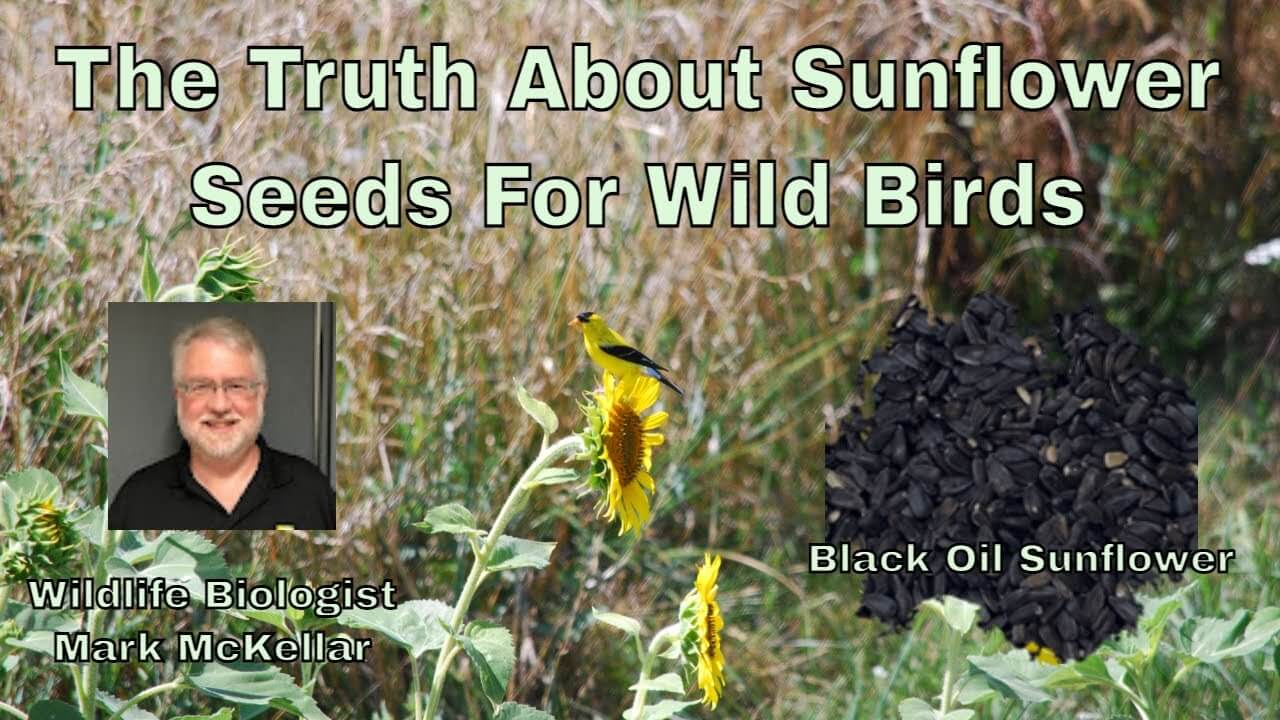
Credit: jungleaquatics.com
Frequently Asked Questions
Can I Grow Black Oil Sunflower From Bird Seed?
Yes, you can plant black oil sunflower bird seed. It germinates well and grows into healthy sunflowers. Ensure proper soil, sunlight, and watering for best results.
Is Black Oil Sunflower Seed Good For Planting?
Black oil sunflower seeds are excellent for planting. They have a high germination rate and produce robust plants. They are popular for both birds and garden cultivation.
What Soil Is Best For Black Oil Sunflower Seeds?
Black oil sunflowers thrive in well-drained, fertile soil. A loamy soil with good organic matter helps seed growth. Avoid overly wet or compacted soils for better results.
How Long Does Black Oil Sunflower Seed Take To Grow?
Black oil sunflowers typically take 70 to 90 days to mature. Growth time depends on climate and care. Regular watering and sunlight speed up the process.
Conclusion
Planting black oil sunflower bird seed can bring many benefits to your garden. These seeds grow easily and attract many types of birds. They also add beauty and life to outdoor spaces. Just ensure the soil is well-drained and the area gets enough sunlight.
Watch your plants grow and enjoy the birds that visit. Simple steps lead to great results. Try planting black oil sunflower seeds and see the difference yourself.




