
Have you ever wondered if the bird seed you scatter in your garden could actually grow into plants? It’s a question many curious gardeners ask but rarely find a clear answer to.
Imagine turning those tiny seeds into a thriving patch of greenery right outside your window. You’ll discover what really happens when you plant bird seed, the surprises you might encounter, and how you can make the most of it. Keep reading to unlock the secret behind bird seed and its hidden potential in your garden!
Credit: dengarden.com
Types Of Bird Seed
Bird seed comes in many varieties, each designed to attract different types of birds. Not all seeds are the same when it comes to planting potential. Knowing which types of bird seed can grow if planted helps you make better choices for your garden or backyard.
Common Seeds Found In Bird Mixes
Most bird seed mixes contain a blend of seeds like millet, sunflower, safflower, and cracked corn. These seeds are popular because they attract a wide range of birds from finches to cardinals. You’ll often see small, round seeds mixed with larger, oilier ones in commercial blends.
Have you noticed how some birds prefer sunflower seeds while others go for millet? This variety in mixes ensures your feeder stays busy with different visitors.
Seeds That Are Viable For Planting
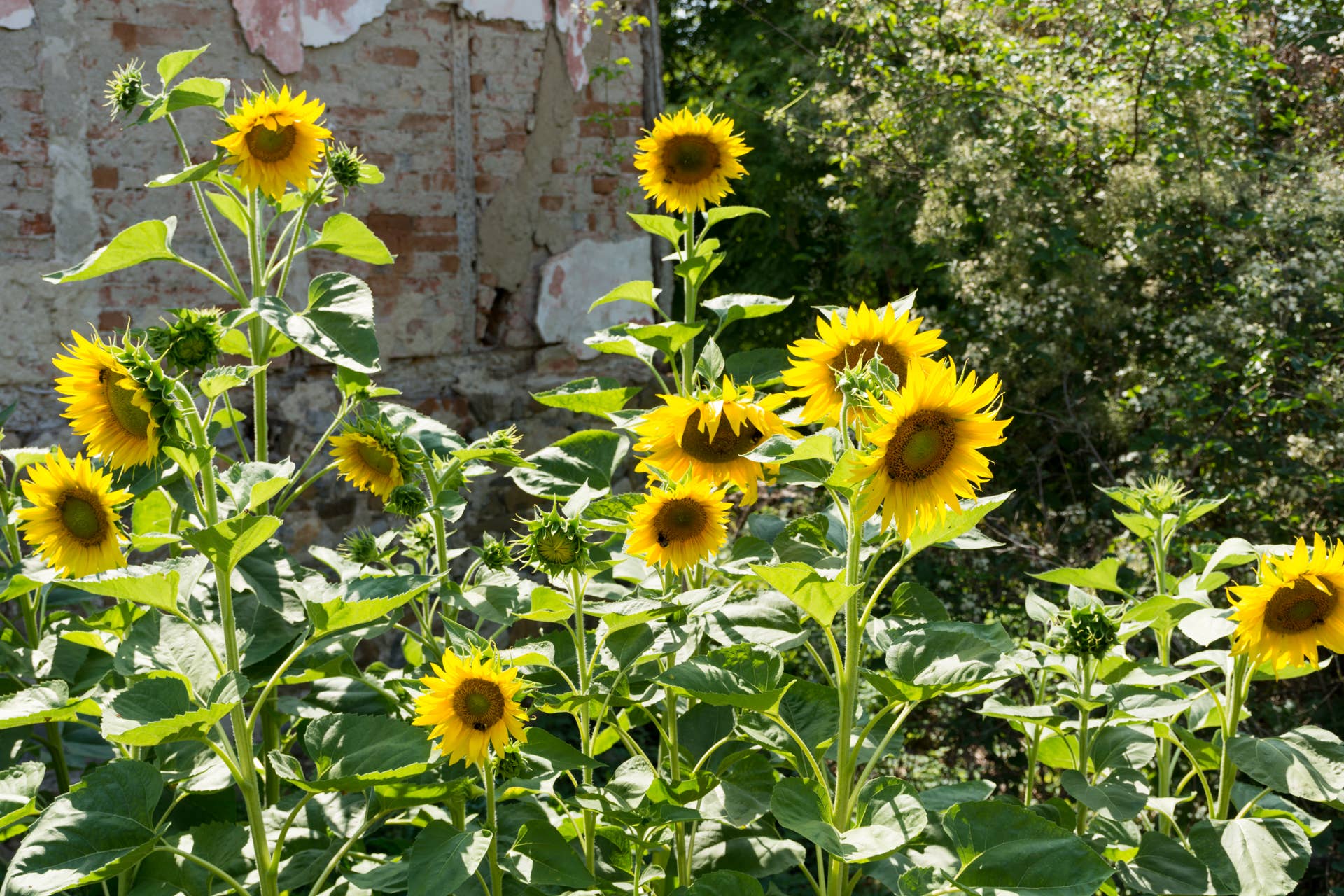
Certain seeds in bird mixes can actually sprout if planted under the right conditions. Sunflower seeds, millet, and even safflower seeds are often viable. These seeds have intact shells and haven’t been heat-treated, so they retain their ability to germinate.
If you want to try growing plants from bird seed, look for mixes that list raw, untreated seeds on the package. Planting these can give you sunflowers or millet plants that not only beautify your space but also provide fresh food for birds.
Seeds Treated To Prevent Growth, Ensuring
Many commercial bird seeds are treated to stop them from sprouting. Heat treatment or chemical coatings are common methods used to keep seeds from growing if spilled on the ground. This helps prevent unwanted plants from popping up in your yard or garden.
While this is useful for keeping your landscaping tidy, it means those treated seeds won’t grow if you try planting them. Checking the seed packaging or asking the supplier can save you from disappointment if you want to grow plants from your bird seed.
Factors Affecting Seed Growth
Understanding the factors that affect seed growth is essential if you want to successfully grow bird seed in your garden. Not all seeds are created equal, and their ability to sprout depends on several key elements. Paying attention to these can make the difference between a thriving plant and a failed attempt.
Seed Freshness And Viability
Seeds lose their power to grow over time. Fresh seeds usually have a higher chance of germination compared to old or expired ones. If you’ve ever noticed that seeds you stored for years refuse to sprout, it’s because their viability has dropped.
Testing seed viability is simple—you can place a few seeds on a damp paper towel, keep it warm, and check after a week for sprouting. If most seeds don’t sprout, it’s a clear sign they are no longer fresh enough to plant.
Environmental Conditions Needed
Just like any plant, bird seeds require the right environment to grow. Temperature, moisture, and sunlight play crucial roles in seed germination. For example, some seeds need warmth to activate growth, while others prefer cooler conditions.
Too much water can drown seeds, while too little will dry them out. Think about where you plan to plant—does it get enough sun? Is the soil well-drained? These questions help you tailor the environment to your seeds’ needs.
Impact Of Seed Coatings And Treatments
Many commercial bird seeds come coated with chemicals or treatments to keep them fresh or deter pests. These coatings can sometimes prevent seeds from germinating if planted directly in soil. If you want to grow bird seed, it’s worth checking if the seeds have any treatment.
You might notice coated seeds look shiny or have a powdery surface. If you’re unsure, try rinsing them gently before planting. This small step can improve your chances of seeing green shoots emerge.
Can Bird Seed Sprout?
Can bird seed sprout? This question often surprises gardeners and bird lovers alike. Many assume that bird seed is just food and not meant for growing, but some seeds in bird mixes can indeed sprout under the right conditions.
Seeds That Typically Germinate
Not all bird seeds are created equal when it comes to sprouting. Common seeds that often germinate include:
- Sunflower seeds:These are among the easiest to sprout and grow into healthy plants.
- Millet:Small and fast to germinate, millet can quickly grow into seedlings.
- Safflower seeds:These can sprout, but they require warmer soil temperatures.
- Thistle (Nyjer) seeds:These sometimes germinate but can be tricky to grow outside their natural habitat.
However, many bird seed mixes contain seeds like cracked corn or peanuts that rarely sprout. Knowing what’s in your mix helps set realistic expectations.
Reasons Some Seeds Fail To Grow
Have you ever tried planting bird seed only to see no sprouts? Several reasons might explain this:
- Seed treatment:Some seeds are coated with chemicals or heat-treated to prevent germination.
- Seed age:Older seeds lose viability and won’t sprout well or at all.
- Incorrect planting conditions:Seeds need the right moisture, temperature, and soil type to start growing.
- Seed type:Certain seeds in bird mixes are meant only for feeding and naturally don’t germinate.
Understanding these factors can save you time and help you choose seeds that are likely to grow.
How To Test Seed Germination
Before planting a large batch, you can test if your bird seed will sprout. Try this simple method:
- Take 10 to 20 seeds from your bird seed mix.
- Place them on a damp paper towel and fold it over the seeds.
- Put the towel inside a plastic bag or container to keep moisture in.
- Keep it in a warm spot and check daily for sprouts over 7 to 10 days.
If most seeds sprout, you know your bird seed is viable for planting. If very few or none sprout, it’s better to buy seeds specifically meant for growing.
Have you ever tried growing plants from bird seed? What did you discover during the process?
Credit: www.gardeningknowhow.com
Growing Bird Seed At Home
Growing bird seed at home can be a rewarding experience if you’re curious about where those seeds come from or want to try your hand at gardening with something a bit different. It’s not just about feeding birds anymore; you can actually plant the seeds you buy for your feathered friends and watch them sprout into plants. But can all bird seeds grow? Understanding the right conditions and care will improve your chances of success.
Preparing Soil And Planting Tips
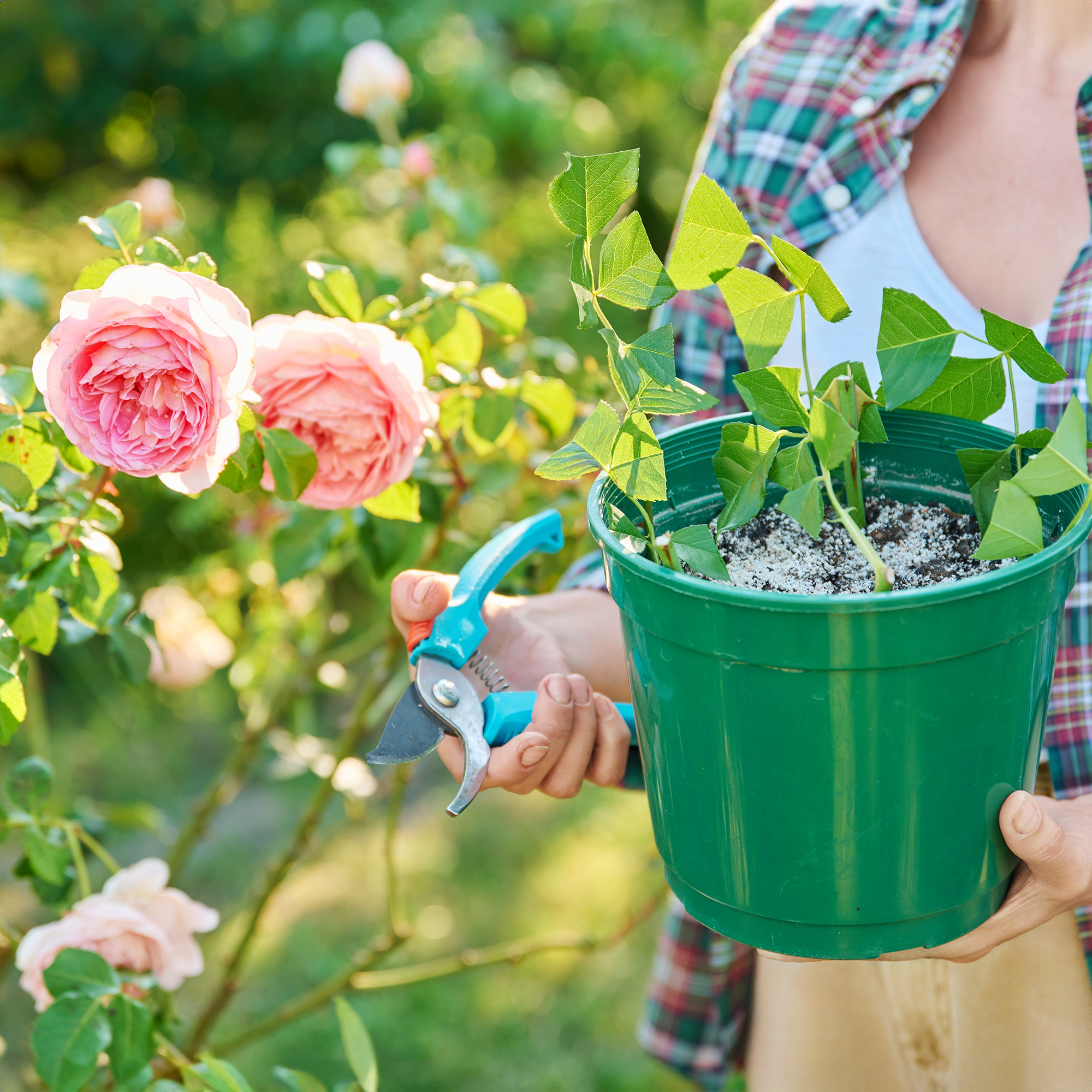
Start with well-draining soil that’s loose and rich in organic matter. Avoid compacted soil as it makes it hard for seeds to take root. If you’re planting indoors, use a good-quality potting mix designed for seedlings.
Make sure to plant seeds at the right depth—usually about twice as deep as the seed’s size. Too deep, and they might never reach the surface; too shallow, and they could dry out quickly.
Not all bird seeds are created equal for planting. Sunflower, millet, and nyjer seeds have good germination rates. Check the seed packet or do a quick test by soaking a few seeds to see if they sprout before planting.
Watering And Sunlight Requirements
Seeds need consistent moisture but not soggy soil. Water gently to keep the soil evenly moist. Overwatering can cause seeds to rot before they have a chance to sprout.
Sunlight is essential. Most bird seed plants prefer full sun, meaning at least six hours of direct light daily. If you’re growing indoors, placing them near a sunny window or using grow lights can help.
Have you noticed how some seedlings lean toward the light? Rotating your pots daily encourages straight, strong growth.
Common Challenges And Solutions
Seedlings can face several issues like mold, pests, or poor germination. Mold often appears from too much water and poor air circulation. To prevent this, water only when the topsoil feels dry and use a fan or open window to keep air moving.
Pests like aphids or fungus gnats may appear, especially indoors. Introducing natural predators or using mild insecticidal soap can protect your plants without harsh chemicals.
If seeds don’t sprout, consider these factors: seed freshness, soil temperature, and light exposure. Sometimes, simply starting fresh with new seeds and adjusting growing conditions makes all the difference.
Benefits Of Growing Bird Seed Plants
Growing bird seed plants in your garden offers more than just greenery. It creates a lively space that benefits both you and the local wildlife. From attracting a variety of birds to providing you with fresh seeds, the advantages are numerous and rewarding.
Attracting Birds To Your Garden
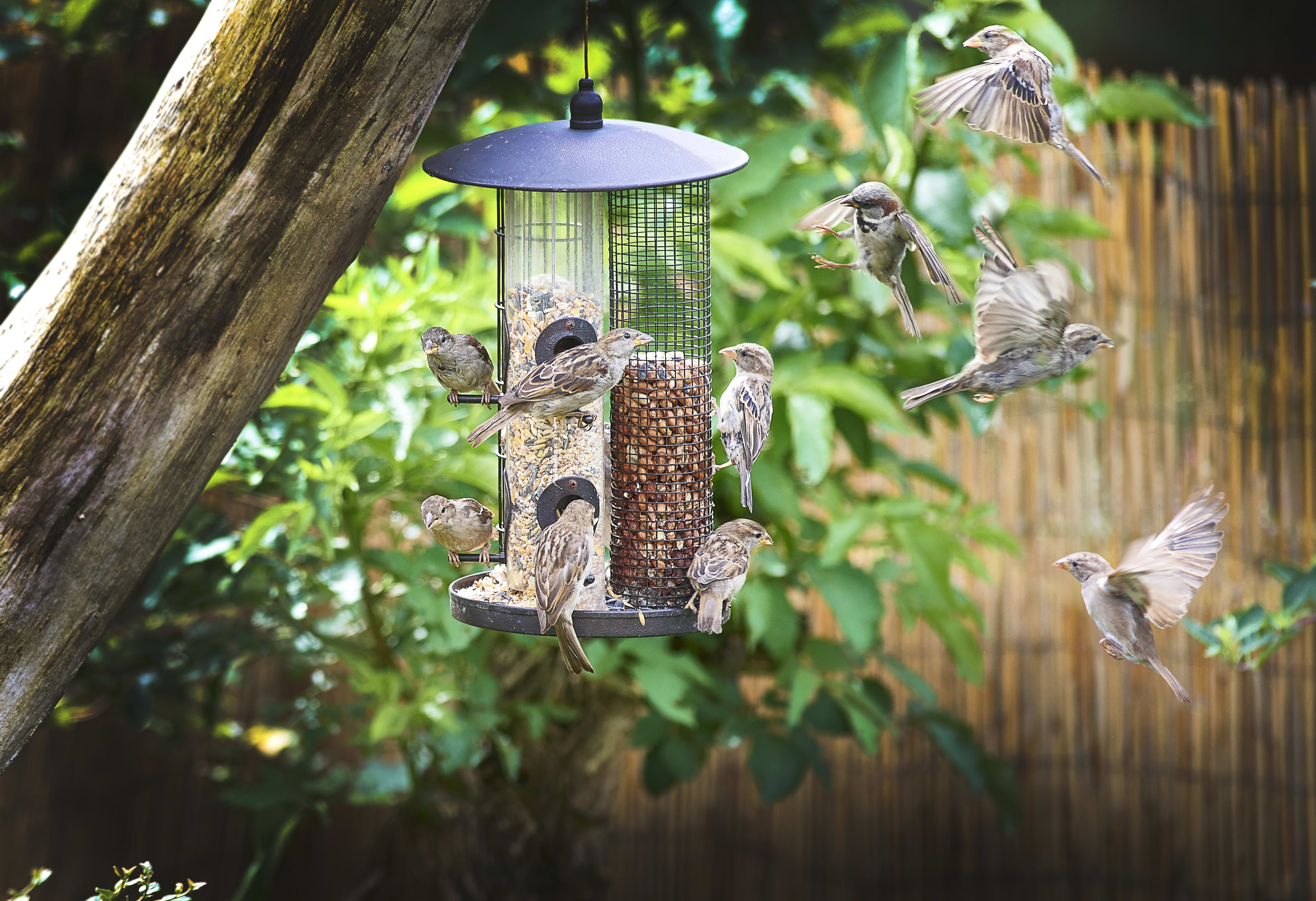
Planting bird seed crops invites colorful visitors to your outdoor space. Birds like finches and sparrows are naturally drawn to these plants, making your garden a hotspot for birdwatching. Have you ever noticed how the presence of birds adds energy and life to a quiet afternoon?
Harvesting Your Own Seeds
Growing your own bird seed means you can collect fresh, high-quality seeds right from your backyard. This saves money and ensures you know exactly what your feathered friends are eating. Plus, harvesting seeds can be a satisfying hands-on activity that connects you to your garden’s cycle.
Environmental And Educational Value
Bird seed plants support local ecosystems by providing food and shelter for wildlife. Watching these plants grow and seeing birds feed offers a natural way to learn about nature’s balance. Could this be a chance for you or your family to discover more about gardening and environmental care together?
Credit: dengarden.com
Frequently Asked Questions
Can Bird Seed Actually Grow Into Plants?
Yes, some bird seeds can sprout if planted. Seeds like sunflower, millet, and safflower often germinate well. However, seeds treated with chemicals or roasted may not grow. Ensure seeds are raw and fresh for the best results.
Which Bird Seeds Are Best For Planting?
Sunflower, millet, and nyjer seeds are ideal for planting. These seeds have a high germination rate and grow into healthy plants. Avoid seeds with coatings or additives, as they may not sprout properly.
How Long Does It Take For Bird Seed To Sprout?
Bird seeds typically sprout within 7 to 14 days under proper conditions. Warmth, moisture, and sunlight speed up germination. Some seeds may take longer, depending on the type and environment.
Can All Bird Seeds Grow If Planted?
Not all bird seeds will grow when planted. Many commercial bird seeds are processed or treated, hindering germination. Only raw, untreated seeds have a good chance of growing into plants.
Conclusion
Bird seed can sometimes grow if planted, but it depends on the seed type. Many bird seeds are treated or mixed, which stops them from sprouting. Some seeds, like sunflower or millet, may grow under good conditions. Soil, water, and light all affect growth.
Planting bird seed is not always a sure way to grow plants. For better results, use seeds meant for planting. This helps you get healthy plants faster and easier. Planting the right seeds gives you a better chance to enjoy fresh growth.




