
Have you ever wondered if the bird seed you scatter outside could turn into a garden of plants? It’s a simple question, but the answer might surprise you.
If you’re curious about whether those tiny seeds can grow into something beautiful, you’re in the right place. By the end of this article, you’ll know exactly what happens when you plant bird seed—and how you can make the most of it.
Keep reading to discover if your bird seed can do more than just feed the birds.
Credit: dengarden.com
Bird Seed Varieties
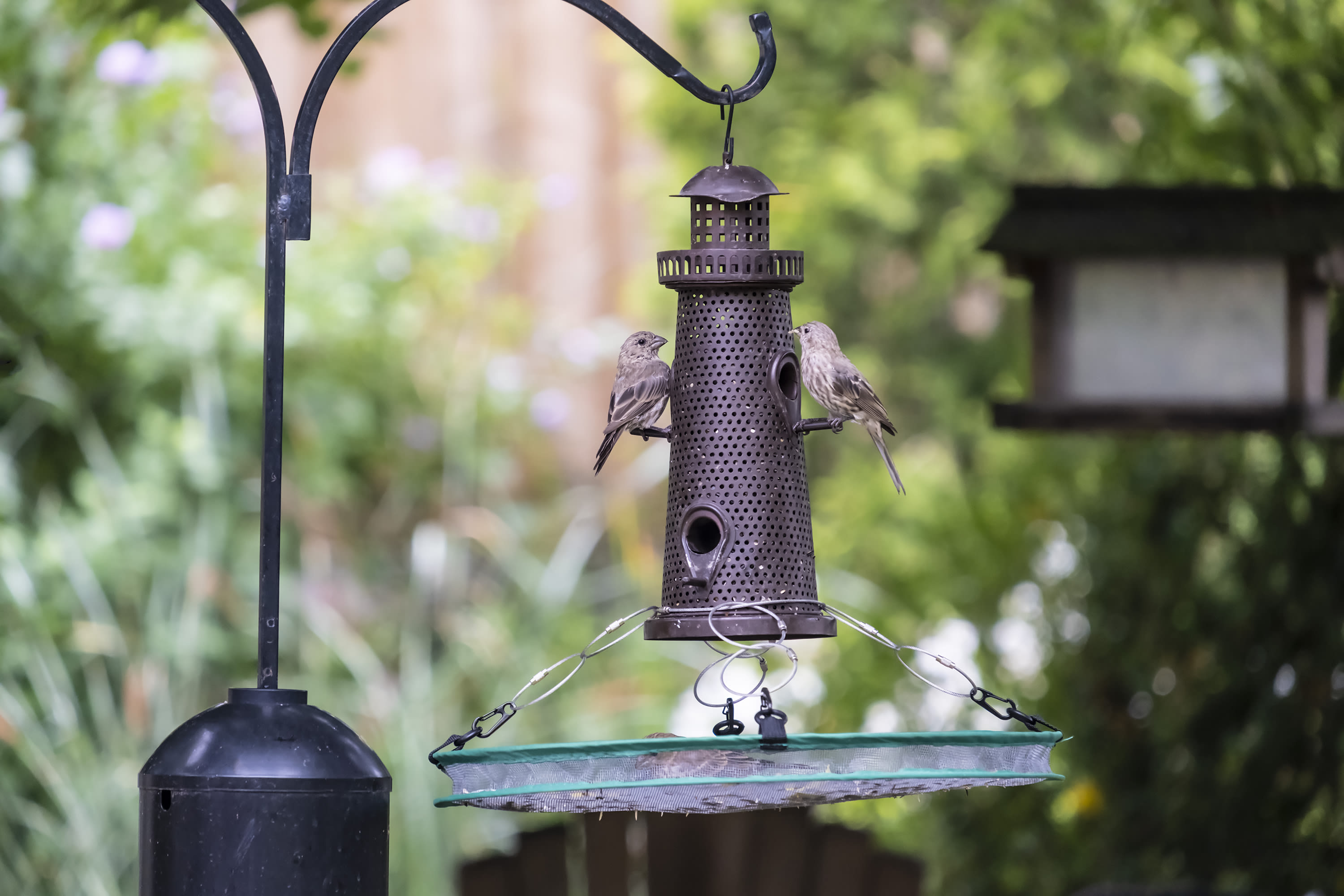
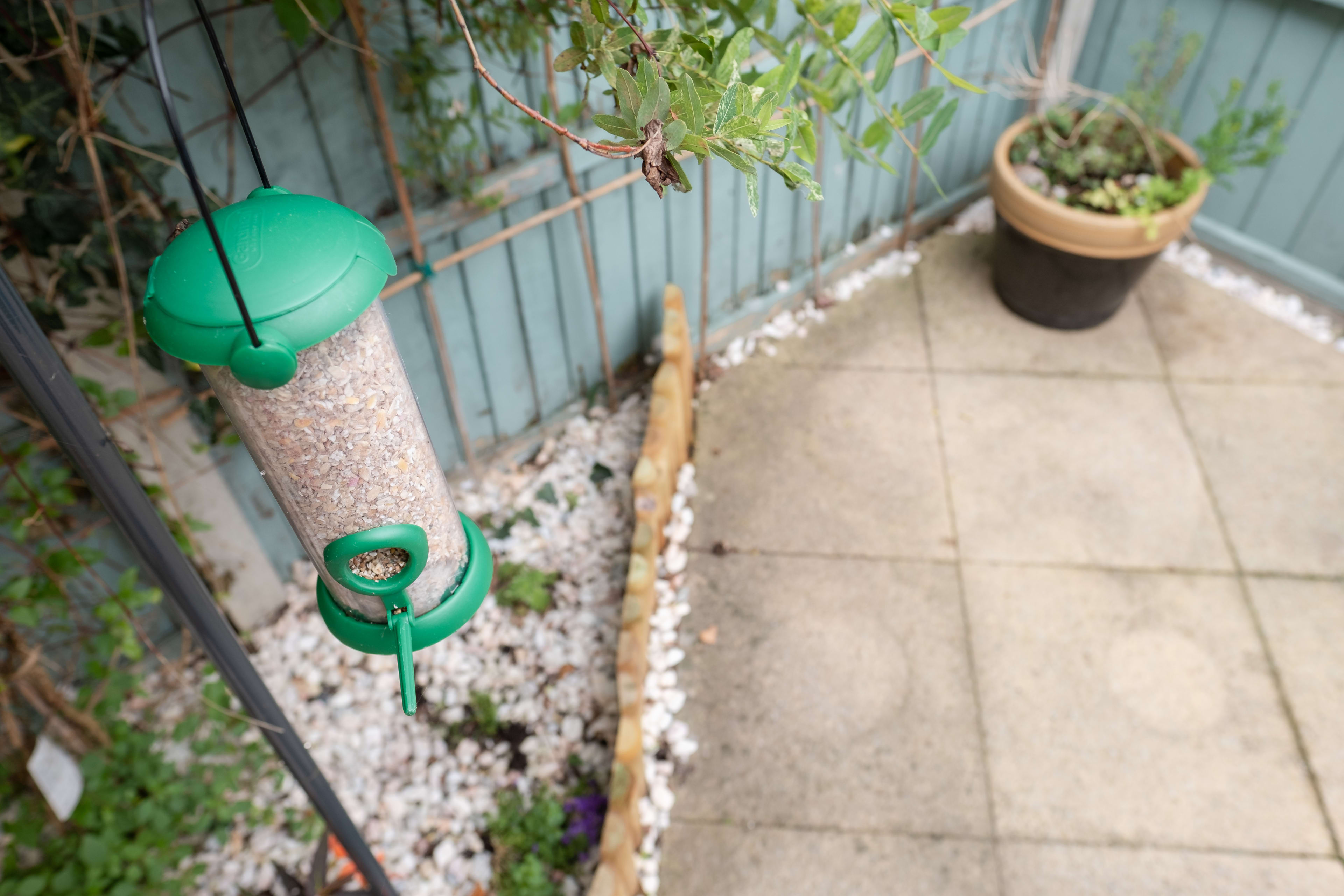
Bird seed mixes come in many varieties, each containing a blend of seeds that attract different types of birds. Understanding the seeds you have can help you decide if they’re suitable for planting. Some seeds are meant only for feeding, while others can actually grow into plants.
Common Seeds In Mixes
Most bird seed mixes include a combination of these seeds:
- Millet:Small, round seeds popular with ground-feeding birds.
- Sunflower seeds:Often striped or black, these are favorites for many birds.
- Safflower seeds:White and tough, these attract cardinals and doves.
- Nyjer (thistle):Tiny, oil-rich seeds loved by finches.
- Cracked corn:Larger pieces that attract larger birds like jays and pigeons.
Some mixes add extras like peanuts or dried fruit. But not all seeds are created equal when it comes to planting potential.
Seeds That Germinate Well
If you want to try planting bird seed, focus on those that are viable and can sprout. Seeds like millet, sunflower, and safflower often germinate well under the right conditions.
Nyjer seeds rarely sprout because they are usually sterilized to prevent growth. Cracked corn also doesn’t grow well because it’s often processed. Sunflower seeds, especially raw and hulled, have the best chance of growing into healthy plants in your garden.
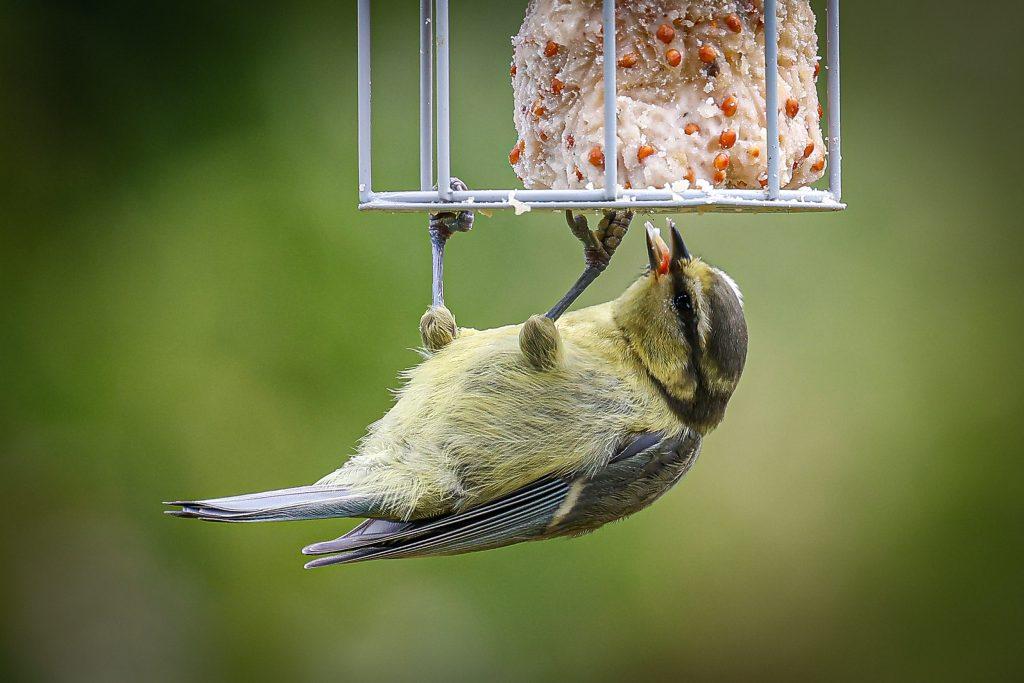
Have you ever tried planting leftover bird seed? You might be surprised how easily some of these seeds can turn into new plants that attract even more birds to your yard.
Credit: help.gardeningexpress.co.uk
Preparing Seeds For Planting
Preparing bird seed for planting is a crucial step that can determine the success of your garden. Raw bird seed often contains debris, pests, or coatings that can hinder germination. By taking a little time to clean, sort, and treat the seeds, you give your plants a better chance to thrive.
Cleaning And Sorting
Start by removing any husks, broken shells, or dust from the seed mix. Use a fine sieve or simply spread the seeds on a flat surface and pick out unwanted bits by hand.
Sorting helps you separate viable seeds from empty or damaged ones. Try gently pressing seeds between your fingers—healthy seeds feel firm, while bad ones may crumble or feel hollow.
Have you ever tossed a handful of bird seed into soil only to watch nothing sprout? This step could be why. Clean seeds reduce disease risk and encourage strong growth.
Soaking And Stratification
Soaking seeds in water for 12 to 24 hours softens their outer shell and kickstarts the germination process. Use room temperature water and avoid soaking longer to prevent rotting.
Some bird seeds need stratification, a cold treatment that mimics winter conditions. Place soaked seeds in a damp paper towel inside a plastic bag and refrigerate for a few weeks.
This chilling period tricks seeds into breaking dormancy and sprouting faster once planted. Have you tried this for your seeds? It often makes a noticeable difference in how quickly they grow.
Planting Techniques
Planting bird seed can be a rewarding way to grow your own flowers or even some veggies, but it requires the right techniques to succeed. Understanding how to prepare your soil, plant at the correct depth, and space your seeds properly will make a big difference in your garden’s outcome. Let’s dive into these essential planting techniques to help you get the best results from your bird seed.
Choosing The Right Soil
Not all soils are created equal when it comes to planting bird seed. You want soil that drains well but still holds some moisture—think of a light, loamy soil rather than heavy clay or pure sand.
Adding organic matter like compost can improve your soil’s texture and nutrient content. Have you checked your soil’s pH lately? Most bird seed plants prefer a slightly acidic to neutral pH (around 6.0 to 7.0), so testing and adjusting your soil can boost germination rates.
Optimal Planting Depth
Planting depth is critical. If you plant too deep, seeds may struggle to reach the surface. Too shallow, and they risk drying out or being eaten by birds.
Generally, a good rule of thumb is to plant seeds about twice as deep as their size. For example, if a seed is 1/4 inch long, plant it about 1/2 inch deep. This simple guideline helps ensure your seeds get just the right amount of soil coverage.
Spacing And Arrangement
How you space your seeds affects how healthy and strong your plants will grow. Crowded seeds compete for water, sunlight, and nutrients, which can stunt their growth.
- Use a spacing of about 6 to 12 inches between seeds depending on the plant type.
- Arrange seeds in rows or clusters to make watering and maintenance easier.
- Thin seedlings as they grow to prevent overcrowding.
Have you noticed how plants that are too close often turn out weaker? Giving your seeds enough room to breathe encourages a vibrant, thriving garden.
Credit: dengarden.com
Care And Maintenance
Taking care of bird seed seedlings requires attention and simple steps. Proper care helps seeds grow into healthy plants. Water, sunlight, and nutrients play key roles in this process.
Watering Tips
Keep the soil moist but not soaked. Water gently to avoid washing away seeds. Early morning or late afternoon is the best time to water. Use a spray bottle for even moisture. Check soil daily for dryness.
Sunlight Requirements
Most bird seed plants need plenty of sunlight. Place seedlings where they get at least 4 to 6 hours of light. Too much direct sun can dry out young plants. A spot with morning sun and afternoon shade works well.
Fertilizing Your Seedlings
Use a mild fertilizer to support growth. A balanced liquid fertilizer diluted to half strength is ideal. Feed plants every two weeks after they develop true leaves. Avoid over-fertilizing, which can harm seedlings.
Potential Challenges
Planting bird seed may sound straightforward, but several challenges can make it tricky. Understanding these potential problems can save you time and effort. Let’s look at some common issues you might face when trying to grow plants from bird seed.
Pests And Diseases
Pests love bird seed just as much as birds do. Insects like aphids, beetles, and caterpillars can quickly damage young seedlings before they get a chance to grow strong.
Diseases such as mold and fungal infections also thrive in moist conditions that are common in seed trays or garden beds. Have you noticed slimy patches or discoloration on your seedlings? That could be a sign of disease.
Taking quick action, like using natural pest repellents or ensuring good air circulation, can help protect your plants. Would you be ready to spot these issues early and act fast?
Weed Control
Bird seed often contains a mix of different seeds, including unwanted weed seeds. These weeds compete with your desired plants for nutrients, water, and sunlight.
Controlling weeds can become a constant battle if you don’t remove them early. Hand-pulling weeds and mulching around your seedlings can reduce competition and help your plants thrive.
Do you have a plan to keep weeds from taking over your bird seed garden?
Germination Failures
Not all bird seed is meant for planting. Many seeds are treated with chemicals or stored in ways that reduce their ability to sprout.
Low-quality or old seeds may fail to germinate, leaving you wondering why nothing grows. Testing a small batch of seeds by soaking them overnight and checking for sprouting can save you time.
Have you tried germinating your bird seed before planting to avoid disappointment?
Creative Garden Ideas
Transform your garden into a haven for birds with creative planting ideas. Bird seed, often overlooked, can be a unique gardening option. Planting bird seed can bring unexpected beauty and benefits. Here are some creative garden ideas to explore.
Mixing Bird Seed Plants
Blend different bird seeds for diverse plant growth. Sunflowers, millet, and safflower can create a vibrant mix. This diversity enhances garden aesthetics and supports various bird species. Choose seeds that suit your climate for best results.
Attracting Wildlife
Planting bird seed invites birds and other wildlife. Birds feed on seeds, bringing life and movement to your garden. Squirrels and insects may also visit, creating a lively ecosystem. Encourage biodiversity by including native plants.
Seasonal Planting Tips
Consider the seasons for effective bird seed planting. Sow seeds in spring for summer blooms. This timing ensures plants have the warmth they need. In colder areas, wait until after the last frost. Adjust planting times based on your local climate. A seasonal approach enhances growth and garden beauty.
Frequently Asked Questions
Can Bird Seed Grow Into Plants If Planted?
Yes, many types of bird seed can grow into plants when planted. Seeds like sunflower, millet, and corn can sprout under proper conditions such as soil, water, and sunlight.
Which Bird Seeds Are Best For Planting?
Sunflower seeds, millet, and safflower seeds are ideal for planting. These seeds germinate easily and grow into healthy plants or flowers, attracting birds and wildlife.
How To Plant Bird Seed For Best Growth?
Plant bird seeds in well-drained soil, about half an inch deep. Water regularly and ensure the area receives ample sunlight for optimal germination and growth.
Will All Bird Seeds Sprout When Planted?
No, not all bird seeds will sprout. Some seeds are treated or mixed with fillers that prevent germination. Use fresh, untreated seeds for planting.
Conclusion
Bird seed can grow into plants, but results vary a lot. Some seeds sprout easily, while others do not. Using fresh, untreated seed works best for planting. Remember, bird seed mixes often contain many seed types. Patience is key when waiting for growth to appear.
Trying to plant bird seed can be fun and educational. You might enjoy watching new plants grow from what birds eat. Keep your expectations simple and enjoy the process. Growing plants from bird seed is possible but not always reliable.




